
Primula nutans
Primula nutans
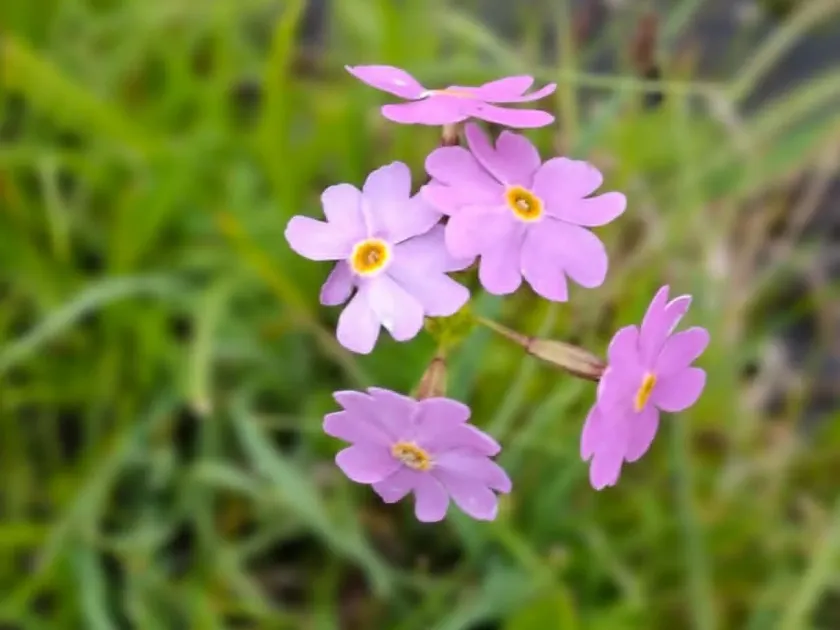
Description
Sowing dates
Primula nutans seeds typically require a period of cold stratification to break dormancy. Sowing is usually performed in the late autumn, allowing the seeds to experience winter conditions outdoors in seed trays or cold frames.
The seeds are very fine and should be surface-sown onto a moist, well-draining seed compost. Do not cover the seeds deeply, as light is often beneficial for the germination process of this species.
Once seedlings emerge, maintain a cool and bright environment. It is crucial to avoid direct, harsh sunlight which can quickly desiccate young plants, leading to high mortality rates in the seedling stage.
Pricking out should be done when the first pair of true leaves is fully developed. Great care must be taken during transplantation, as the root systems of primulas are delicate and can be damaged easily.
Acclimatized plants should be set out in their permanent location in the garden during mid-spring. Ensure that the soil is well-prepared to support early root establishment before the summer heat arrives.
Growing requirements
Primula nutans is a member of the Primulaceae family. It is native to alpine and sub-alpine regions, naturally thriving in moist meadows and rocky slopes where the air is cool and humid.
The ideal growing medium is a humus-rich, friable, and well-draining soil. It should be kept consistently moist but never waterlogged, as stagnant water is a primary cause of root rot in this species.
This plant prefers semi-shaded conditions, particularly shelter from the intense afternoon sun. In the garden, it performs best when placed in areas with dappled light under deciduous trees or shrubs.
Regular irrigation is vital during the growing season. If the weather is dry, supplemental watering is necessary to keep the soil moisture levels consistent, mimicking its natural mountain habitat.
While relatively hardy, the plant benefits from a light mulch of organic material in winter. This helps regulate soil temperature and protects the crown of the plant from freeze-thaw cycles in open gardens.
Main diseases and pests
The most common disease affecting this species is grey mould (Botrytis), which spreads rapidly in humid, poorly ventilated conditions. Keeping foliage dry and improving air circulation is essential for prevention.
Root rot caused by fungal pathogens is a significant threat when soil drainage is poor. To minimize this risk, ensure the planting site is elevated or modified with organic matter to improve aeration.
Slugs and snails are the most prominent pests for Primula nutans. They are attracted to the succulent foliage and can cause severe defoliation during moist spring and summer evenings.
Spider mites can become a problem during hot and dry spells. They damage the leaves by piercing cells, which can be mitigated by regular misting and maintaining sufficient soil moisture levels.
Integrated pest management strategies, such as physical barriers for molluscs and timely application of appropriate fungicides, help keep the plants healthy and ensure they retain their full ornamental value.