
Primula megaseifolia
Primula megaseifolia
Description
Growing requirements
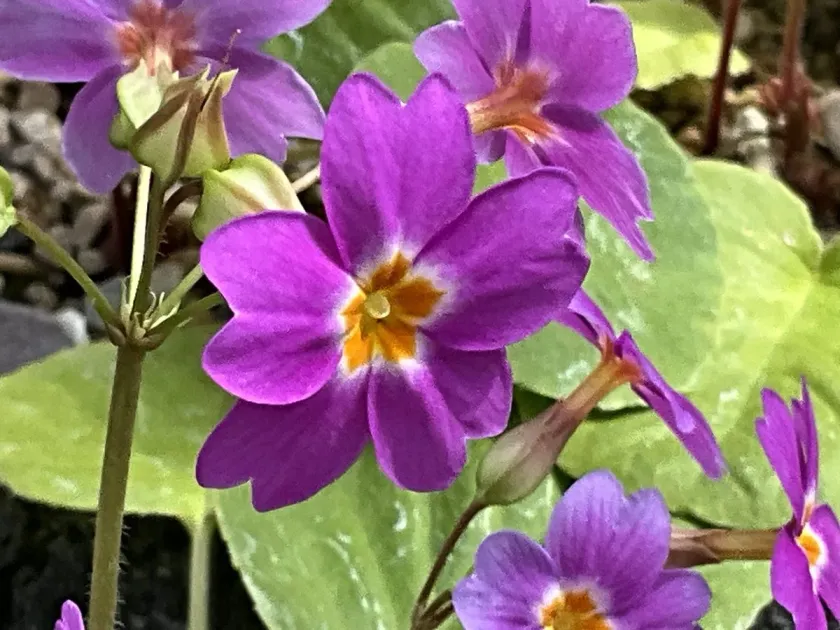
Primula megaseifolia is a rare perennial herbaceous plant belonging to the Primulaceae family. It is native to the shaded forest floors and moist rocky outcrops of the eastern Black Sea region, where it thrives in humid and cool environments.
This species has specific requirements regarding light and temperature. It prefers cool, shaded locations and cannot withstand direct sunlight or extreme heat. Proper drainage is essential, as the roots are sensitive to waterlogging despite the plant's love for moisture-retentive soil.
For optimal growth, the soil should be rich in organic matter, loose, and slightly acidic or neutral. A mix of forest soil, leaf mold, and a small portion of sand is ideal to provide both nutrients and necessary drainage for the plant's developing root system.
Cultivation practices include regular mulching to keep the roots cool and moist throughout the growing season. In climates colder than its native habitat, winter protection is necessary, as the plant is not fully hardy and requires shelter to survive freezing temperatures.
Primula megaseifolia is used primarily in ornamental gardening, specifically for shade gardens and rockeries. It is highly prized by collectors for its early bloom cycle, often beginning in late winter, and its distinct, large, glossy, leathery foliage that provides year-round interest.
Main diseases and pests
The main threats to Primula megaseifolia include fungal diseases such as root rot and grey mold, which typically appear when the plants are grown in poorly ventilated areas with consistently waterlogged soil.
Pests such as slugs and snails represent a significant challenge, as they are attracted to the succulent, moisture-rich leaves of the plant. During dry weather, gardeners should also watch for spider mite infestations, which can weaken the plant and damage its ornamental appearance.