
Primula macrocarpa
Primula macrocarpa
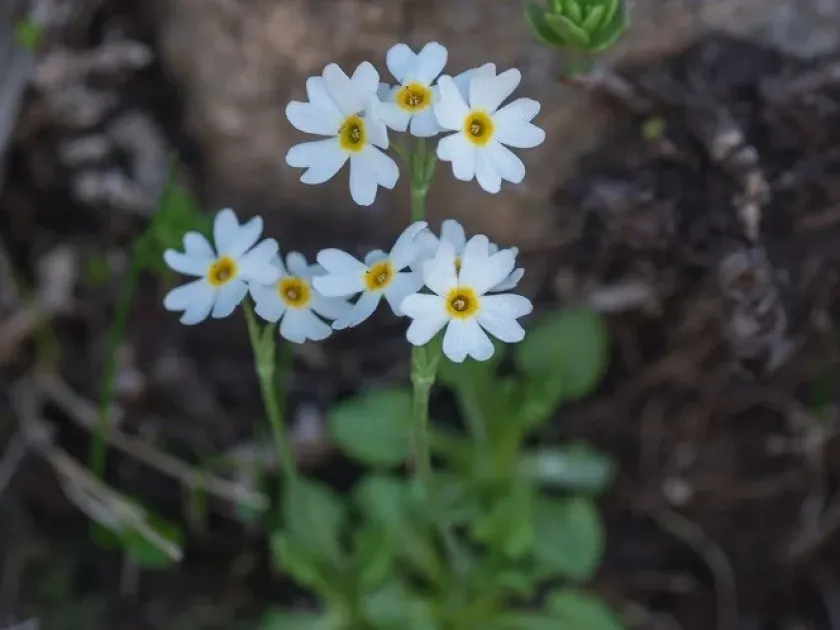
Description
Sowing dates
The sowing of Primula macrocarpa seeds is best performed in late autumn as an outdoor winter sowing or in seed trays that undergo a natural stratification period. A cold cycle is essential for breaking seed dormancy and ensuring uniform germination.
When grown in a controlled environment, seeds require a cold treatment at temperatures between 0 and 5 degrees Celsius for 30 to 60 days. This period is crucial for the biochemical activation of the embryos within the small seeds.
Seeds should be sown superficially, as they require light to germinate. It is recommended to press them gently into a fine, moist peat-based medium rather than covering them with soil, maintaining a high level of humidity with a plastic cover until emergence.
Seedlings should be pricked out when the first true leaves appear, being moved to individual containers or a nursery bed. It is important to avoid deep planting, as the crown of the plant is highly susceptible to decay if buried.
Transplanting to the final location is typically done in early spring once the soil is workable. The young plants should be protected from direct sunlight initially to ensure they establish their root systems without water stress.
Growing requirements
Primula macrocarpa, a member of the Primulaceae family, is a shade-tolerant plant that thrives in environments mimicking forest edges. It performs best in locations with filtered light, avoiding the harsh intensity of direct midday sun.
The soil requirements for this species include high fertility, excellent drainage, and a slightly acidic to neutral pH. Incorporating organic matter such as leaf mold or compost creates the loose structure necessary for optimal root expansion.
Moisture management is a critical aspect of its agrotechnology. The soil must remain consistently damp, but never waterlogged. In container gardening, a layer of gravel or expanded clay at the base is necessary to facilitate water movement away from the roots.
The plant prefers temperate climates with cool summers and high ambient humidity. In regions with dry air, supplemental misting or planting in sheltered areas with higher local humidity can significantly improve the plant's overall vigor.
Mulching with organic material, such as pine bark or straw, helps regulate soil temperature and moisture levels. This prevents the crown from drying out during fluctuating spring weather and protects the roots from late-season heat stress.
Main diseases and pests
Slugs and snails are the most significant pests for Primula species, often consuming the tender foliage and flower buds overnight. Manual removal and physical barriers are the most effective management strategies for smaller garden plantings.
Grey mold, caused by Botrytis species, is a common threat in conditions of poor air circulation and high humidity. Ensuring proper spacing between plants and avoiding water accumulation on the leaves is essential to mitigate this risk.
Root rot, often associated with waterlogged conditions and pathogenic fungi like Phytophthora, can cause systemic collapse. Healthy cultivation practices, such as ensuring proper soil aeration, are the primary defense against these pathogens.
Aphids may occasionally infest the plant during the early growth stages, congregating on the underside of leaves and around the flowering stalks. A mild soapy water solution is usually sufficient to handle minor infestations without damaging the plant tissue.
- Maintain adequate spacing to allow for airflow.
- Monitor the soil for proper drainage during the growing season.
- Remove any necrotic tissue immediately to limit the spread of potential pathogens.