
Primula digenea
Primula digenea
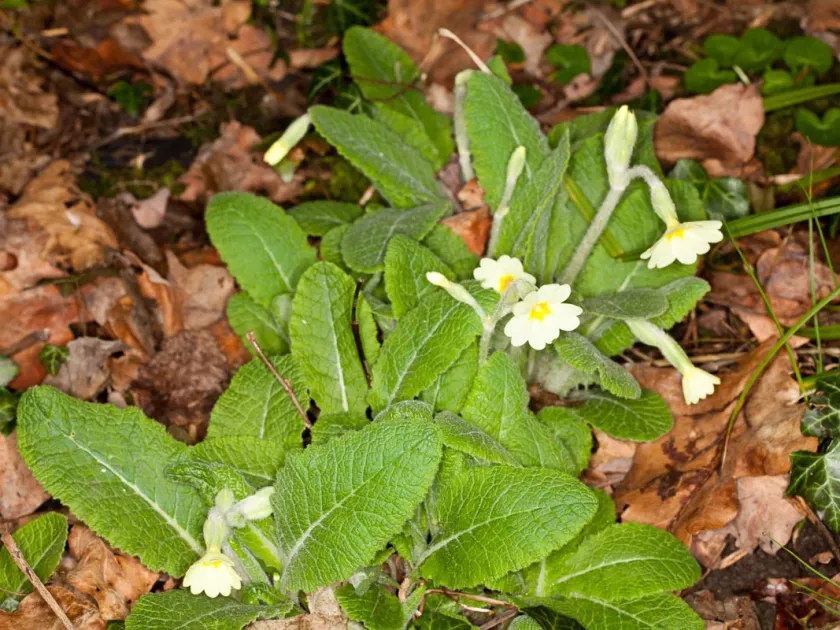
Description
Sowing dates
Primula digenea is a hybrid species within the Primulaceae family, characterized by its specific environmental requirements for propagation. Seeds are typically sown in late autumn to facilitate natural stratification, which is essential for uniform germination.
If sowing indoors, seeds require a cold treatment at temperatures near 0–5 degrees Celsius for several weeks. This mimics the natural transition from winter to spring and is crucial to break seed dormancy.
The sowing medium should be a fine-textured, well-draining mixture of peat and perlite or coarse sand. Seeds are small and should be pressed gently into the surface of the soil, rather than being covered with a thick layer of substrate.
Light is a critical factor for the successful germination of this species. The containers should be placed in a bright area, protected from direct intense sunlight to avoid overheating the seeds during the sprouting phase.
Maintaining consistent moisture levels is vital during the germination process. Covering the trays with transparent plastic or glass helps regulate humidity, provided that the container is aired daily to prevent mold growth.
Growing requirements
As a plant originating from temperate mountain regions, Primula digenea thrives in cool and moist environments. It is best suited for sites with dappled shade, which protects it from the harsh midday sun in late spring and summer.
The ideal soil is rich in organic matter, loose, and slightly acidic to neutral. High organic content helps retain essential moisture, while adequate aeration ensures that roots do not suffer from oxygen deprivation.
Water management is the most important aspect of maintenance. The soil should be kept consistently moist but never waterlogged. During hot periods, increased humidity through light misting or mulching around the base can be very beneficial.
Primula digenea responds well to moderate fertilization during its active growth phase in early spring. Applying a balanced, water-soluble fertilizer at half-strength is sufficient to support healthy foliage and flower development.
Winter care involves ensuring the plants have adequate snow cover or a light layer of organic mulch. While the species is frost-hardy, rapid freeze-thaw cycles in early spring can sometimes damage the crown if not properly protected.
Main diseases and pests
Spider mites are the most common pests, particularly when environmental humidity drops too low. These pests can cause chlorosis and stunting, so maintaining appropriate moisture levels is an effective cultural control method.
Botrytis (gray mold) represents a significant fungal threat, especially in humid and stagnant air conditions. Improving air circulation around the plants and removing decaying leaves promptly are standard preventative measures.
Root rot caused by pathogens like Phytophthora occurs primarily in poorly drained soils. Preventing soil compaction and ensuring the use of high-quality, well-draining potting media significantly lowers the risk of infection.
Slugs and snails can cause severe damage to the foliage during the spring growing season. Utilizing physical barriers such as copper tape or crushed eggshells can protect the plants from these frequent garden intruders.
Leaf spot diseases may appear during periods of excessive rainfall. Proper spacing between individual plants is necessary to reduce leaf moisture and prevent the rapid spread of fungal spores across the garden bed.