
Primula cockburniana
Primula cockburniana
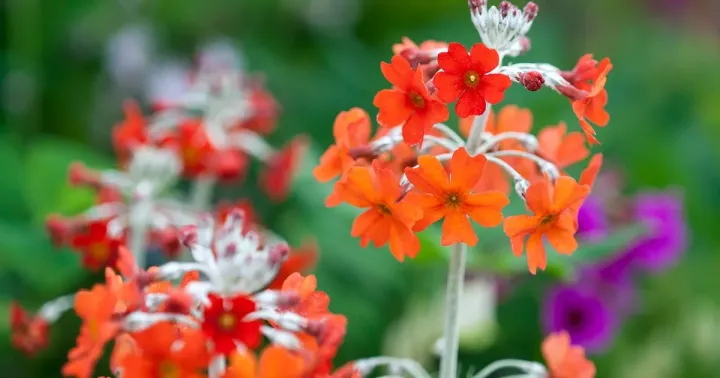
Description
Sowing dates
Sowing seeds of Primula cockburniana is recommended in late winter or early spring, usually around February or March. The seeds require a mandatory stratification period at temperatures of 0–5 degrees Celsius for 3–4 weeks to ensure successful germination.
For sowing, use a light, well-draining substrate based on peat and sand. Distribute the seeds over the soil surface, pressing them down lightly, but do not cover them with a thick layer of soil, as they require light to germinate effectively.
Cover the containers with glass or plastic film to maintain consistent moisture. It is crucial to provide a cool environment during the germination period, as high temperatures can negatively affect the emergence of the seedlings.
Once the first true leaves appear, prick out the seedlings into individual cells or small pots. Monitor the plants carefully to ensure the root system does not dry out, while also avoiding over-saturation of the soil.
Transplant the seedlings to the garden once the threat of frost has passed. The end of May is typically the best time for outdoor planting, when the ground has sufficiently warmed up.
Growing requirements
Primula cockburniana, belonging to the Primulaceae family, prefers locations with partial shade that are protected from direct, scorching sun. Native to the mountainous regions of China, this plant thrives in moderate and cool climates.
The plant has high moisture requirements; the soil must remain consistently damp without becoming waterlogged. The ideal soil is loose, fertile, and has a slightly acidic to neutral pH level.
During the summer months, it is critical to prevent the overheating of the root system. Mulching the area around the plants is highly effective for retaining soil moisture and keeping the roots cool during hot days.
As a short-lived perennial, it is advisable to regularly renew plantings by sowing new seeds or dividing the clumps to maintain peak aesthetic appeal. Its winter hardiness is moderate, requiring light protection with conifer branches in colder regions.
In landscape design, this plant is best suited for damp areas, stream banks, or shady flower beds. Its unique bright orange color makes it an excellent choice for creating vibrant focal points among other shade-loving flora.
Main diseases and pests
The primary threats to this crop include fungal infections such as grey mold and root rot. Pathogen development is frequently triggered by excessive watering and poor air circulation in densely packed planting sites.
To combat fungal infections, use broad-spectrum fungicides. A vital preventative measure is maintaining proper spacing between plants and the prompt removal of any diseased or decaying foliage.
Among pests, slugs and snails pose the greatest threat, as they actively feed on the succulent leaves during rainy weather. Utilizing physical barriers or specialized molluscicides helps to significantly minimize potential damage.
Aphids and spider mites may appear during hot, dry periods, particularly if the plant is under stress. Upon detecting early signs of infestation, immediate treatment with appropriate insecticides or acaricides is necessary.
Effective disease prevention starts with selecting the proper planting site and maintaining a consistent irrigation regime. A robust and healthy plant is much more resistant to pest attacks and the proliferation of harmful microorganisms.