
Mountain cabbage palm
Prestoea montana
Description
Growing requirements
The Mountain cabbage palm (Prestoea montana) is a majestic member of the Arecaceae family. Native to the mountainous rainforests of the Caribbean, it has evolved to thrive in high-altitude, humid environments.
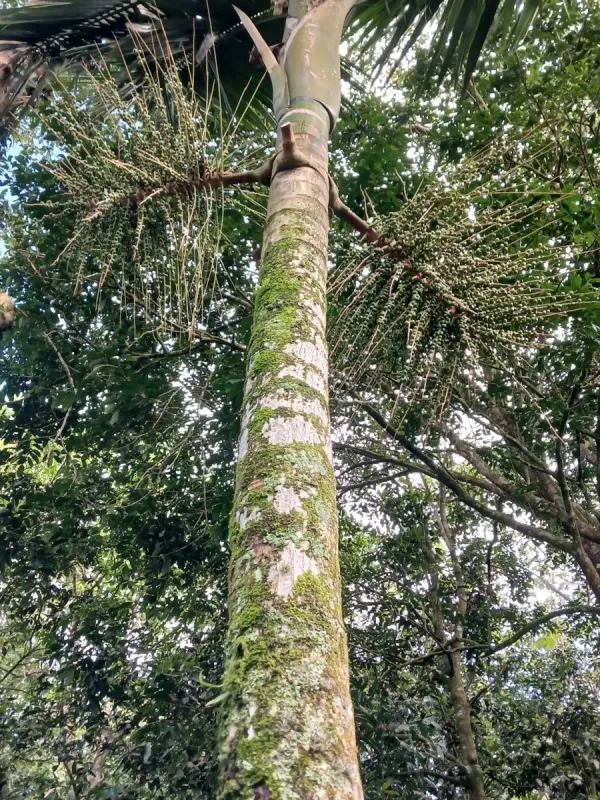
Botanically, this species is characterized by its slender, solitary trunk topped with a crown of elegant, pinnate leaves. It grows at a moderate pace, eventually reaching a significant stature that makes it a focal point in tropical landscapes.
To cultivate this palm successfully, one must replicate its natural mountain habitat. This includes providing high atmospheric humidity and protection from harsh, direct sunlight. Consistent temperatures are crucial, as the species does not tolerate freezing conditions.
The soil requirements focus on high organic matter content and excellent drainage. A well-aerated medium is essential to prevent root asphyxiation, which can occur if the growing medium remains waterlogged for extended periods.
In terms of agricultural and horticultural use, the Mountain cabbage palm is highly prized for its aesthetic value. It is widely used in luxury landscaping and interior design in regions where the climate allows for year-round growth.
Main diseases and pests
The most significant pathological threats to Prestoea montana include fungal infections such as root rot and leaf spot. These are primarily induced by poor ventilation and excessive moisture accumulation in the soil or leaf axils.
Pest management is focused on controlling infestations of spider mites and mealybugs. These sap-sucking insects often thrive in indoor or greenhouse settings where the lack of natural predators and dry air favor their rapid reproduction cycles.