
Prepodesma orpenii
Prepodesma orpenii
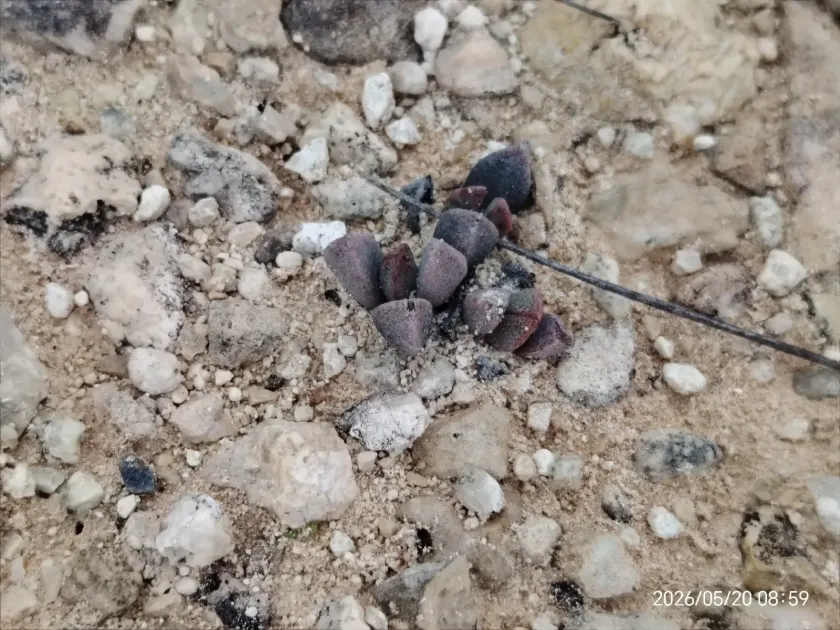
Description
Sowing dates
Propagation of Prepodesma orpenii in cultivation is primarily done via seeds, as division is difficult due to the plant's unique growth habit. Sowing should ideally occur in the spring when daylight hours increase, providing the necessary energy for germination.
Seeds should be sown in a light, well-draining substrate composed of sand and a small amount of potting soil. It is crucial to maintain consistent moisture during the first few weeks by covering the container with glass or plastic to create a greenhouse environment.
Once seedlings emerge, the cover should be removed gradually to acclimatize the young plants to drier air. Pricking out should not occur for at least a year until the root system is sufficiently developed to survive transplantation into individual pots.
The optimal temperature for germination is between 20–25 degrees Celsius. Nighttime temperature fluctuations help develop a stronger root system and prevent the seedlings from becoming leggy or etiolated.
While growth stimulants are not strictly required, they can be used if growth appears stagnant, although the species is naturally slow-growing. Ensuring substrate sterility is the most important factor in preventing fungal outbreaks in young seedlings.
Growing requirements
Prepodesma orpenii belongs to the Aizoaceae family and is a characteristic succulent native to the arid regions of Southern Africa. The plant is perfectly adapted to survive extreme moisture deficits and intense solar radiation.
To successfully cultivate this species, maximum light exposure is required year-round, making south-facing windows or greenhouses with supplemental lighting the best options. Insufficient light inevitably leads to etiolation and structural weakness.
The soil must have exceptional drainage properties to prevent waterlogging, which is fatal to this species. It is recommended to use a mineral-based substrate with minimal organic content, incorporating coarse sand, gravel, or perlite.
Watering must be strictly regulated; during the summer, water only after the substrate has completely dried out. In winter, the plant enters a dormant phase and requires almost no water, kept in cool conditions around 10–12 degrees Celsius.
The plant is highly sensitive to high humidity when combined with cold temperatures. In an indoor setting, it is essential to ensure that no water droplets accumulate on the leaf rosettes, which helps prevent the onset of rot.
Main diseases and pests
The primary threats to Prepodesma orpenii are rot-related diseases triggered by improper watering practices. Excess moisture quickly leads to fungal infections that can destroy the root system and the base of the plant rapidly.
Typical pests include root mealybugs and spider mites. Due to the plant's unique leaf texture, these pests can remain hidden for long periods, making early detection and intervention quite challenging.
Regular inspection of the plant's base and root zone is necessary for prevention. If spider mite colonies are identified, specialized acaricides should be used, taking care to avoid oil-based products that can damage succulent tissues.
Viral diseases are extremely rare, but mechanical damage to the tissues creates entry points for secondary bacterial infections. Any cuts made during propagation should be treated with powdered charcoal to sanitize the wound.
Maintaining proper air circulation in the growing environment significantly reduces pest and fungal risks. Stagnant, humid air is the main factor that encourages both fungal development and the proliferation of insect pests.