
Tongue-leaf pondweed
Potamogeton linguatus
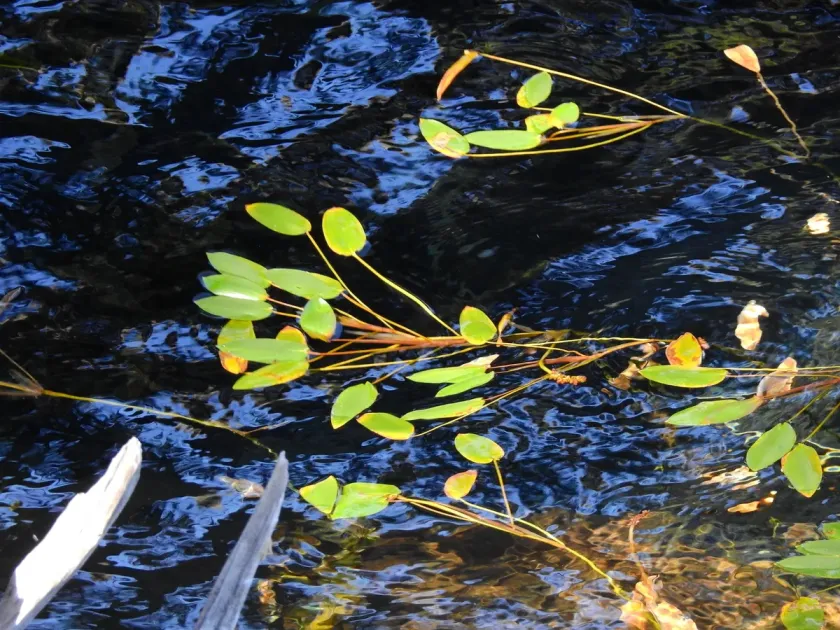
Description
Growing requirements
Tongue-leaf pondweed (Potamogeton linguatus) belongs to the Potamogetonaceae family. It is a perennial aquatic plant native to the freshwater ecosystems of South America, specifically in regions with temperate climates.
Botanically, this species is characterized by its submerged growth habit. The stems are elongated, and the leaves are adapted for efficient gas exchange under water, allowing the plant to thrive in various freshwater environments.
Optimal conditions for growth include stable water temperatures and a substrate rich in silt or fine organic sediment, which provides necessary nutrients for the root system development.
The plant requires moderate water flow; stagnant water may lead to poor nutrient distribution, while excessively fast currents can damage the delicate submerged foliage.
In terms of light, the species needs sufficient solar penetration. Therefore, maintaining water clarity is one of the most important agrotechnical tasks in commercial or ornamental cultivation.
Main diseases and pests
The primary threats to Potamogeton linguatus include rapid colonization by invasive filamentous algae, which compete for space and block necessary sunlight for the pondweed.
Various aquatic invertebrates, including specific larvae and certain snail populations, can feed on the leaf tissues, leading to reduced vigor and vulnerability to secondary infections.
Fungal pathogens represent a significant risk, particularly under conditions of poor water circulation or when the nutrient balance in the sediment becomes excessively high.
Chemical stress, such as fluctuations in pH or the introduction of contaminants from runoff, can trigger chlorosis and lead to the degradation of the plant beds.
Effective management involves regular monitoring of water quality parameters and ensuring that the population density does not exceed the carrying capacity of the specific water body.