
Portea petropolitana
Portea petropolitana
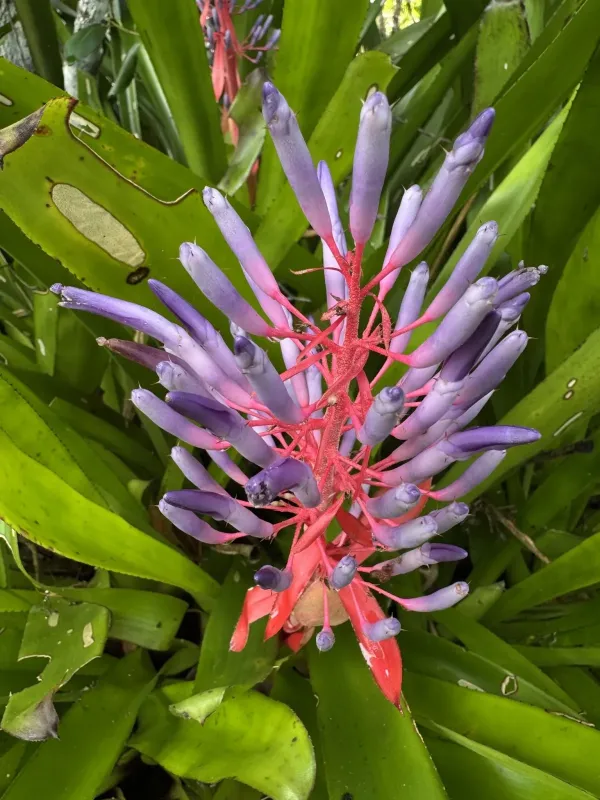
Description
Growing requirements
Portea petropolitana is a member of the Bromeliaceae family. Native to the coastal regions of Brazil, this perennial plant typically thrives as an epiphyte or a terrestrial species in tropical forest ecosystems.
The plant requires a stable thermal environment, ideally between +18°C and +26°C. Maintaining consistent temperatures is crucial for the metabolic processes of the species and overall plant vigor throughout the year.
Light intensity is a limiting factor for healthy growth. It prefers bright, indirect sunlight; excessive direct exposure can cause photothermal damage to the leaves, reducing the ornamental value of the culture.
Cultivation requires a well-draining, acidic substrate. A mixture of pine bark, peat moss, and perlite provides the necessary structure to prevent compaction and allow adequate aeration of the root system.
Watering management involves filling the central rosette with water. It is essential to use soft, low-mineral water to avoid salt accumulation and to periodically flush the rosette to maintain hygiene.
Main diseases and pests
Common pests affecting Portea petropolitana include mealybugs and scale insects. These organisms thrive in sheltered leaf axils, sucking cell sap and weakening the plant's structural integrity.
Root rot and crown rot represent the primary pathological risks, usually triggered by waterlogging and poor ventilation. These conditions create an ideal environment for pathogenic fungi like Fusarium.
Integrated pest management involves physical removal of insects using alcohol-soaked swabs or the application of selective systemic insecticides to manage larger infestations effectively.
Environmental control is the best defense against disease. Ensuring good airflow around the foliage inhibits the accumulation of stagnant moisture, which is a prerequisite for bacterial development.
Agronomists recommend monitoring for chlorosis or brown leaf tips, which often serve as early indicators of nutritional imbalances or suboptimal irrigation practices within the greenhouse.