
Portea fosteriana
Portea fosteriana
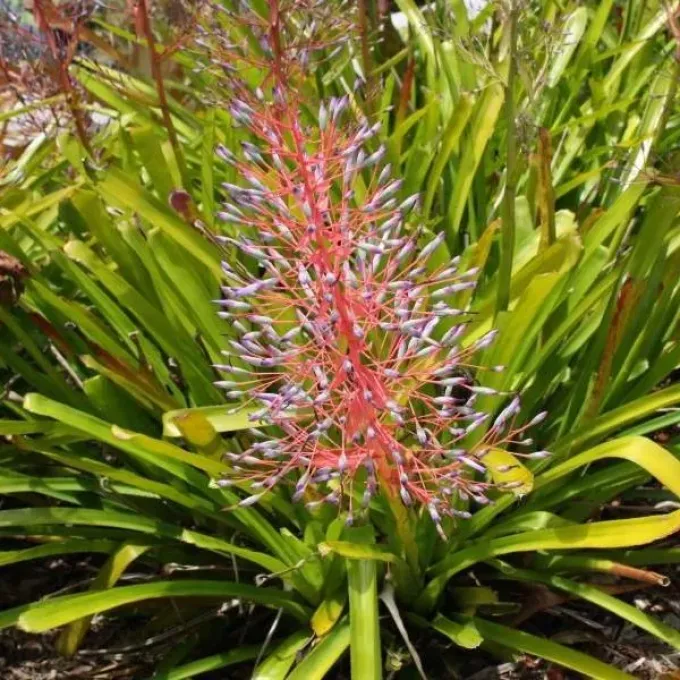
Description
Growing requirements
Portea fosteriana is a remarkable member of the Bromeliaceae family, native to the coastal rainforests of Brazil. As an epiphyte, this plant has adapted to survive by utilizing its leaf rosette to collect water and nutrients from the environment.
The optimal climate for this species requires consistent warm temperatures ranging from 20 to 25 degrees Celsius. It thrives in high humidity environments, making it essential to maintain a relative humidity level of at least 60 to 70 percent throughout the growing cycle.
The cultivation medium must be highly porous and acidic to support the root system's health. A balanced mixture of pine bark, peat moss, charcoal, and perlite provides the necessary drainage while preventing the soil from becoming compacted.
Light exposure is a critical factor for the vigor of Portea fosteriana. The plant requires bright, indirect light to develop its characteristic coloration, whereas intense direct sunlight can cause significant tissue damage and foliar scorching.
Proper irrigation involves filling the central tank of the rosette with clean, room-temperature water. This method ensures the plant retains adequate moisture, but cultivators must avoid stagnant water in the substrate to prevent root rot.
Main diseases and pests
Common pests affecting Portea fosteriana include mealybugs and scale insects, which often hide in the crevices of the leaf rosettes. Integrated pest management using insecticidal soaps or systemic treatments is effective for control.
Fungal infections are the most significant threat to this species, usually caused by overwatering or poor air circulation within the growing environment. Symptoms often include darkened, mushy spots at the base of the plant.
To mitigate the risk of disease, growers should ensure good ventilation and use sterilized potting substrates. If symptoms appear, removing the affected leaves and applying fungicides is recommended to preserve the remainder of the plant.
Spider mites are another prevalent issue, particularly when ambient humidity drops below required levels. These pests cause yellowing of the leaves, which significantly impacts the aesthetic quality and commercial value of the plants.
Maintenance routines should include regular inspection of all plant tissues. By keeping a clean growing area and monitoring for early pest activity, cultivators can ensure the health and longevity of their Portea fosteriana crops.