
Porroglossum muscosum
Porroglossum muscosum
Description
Growing requirements
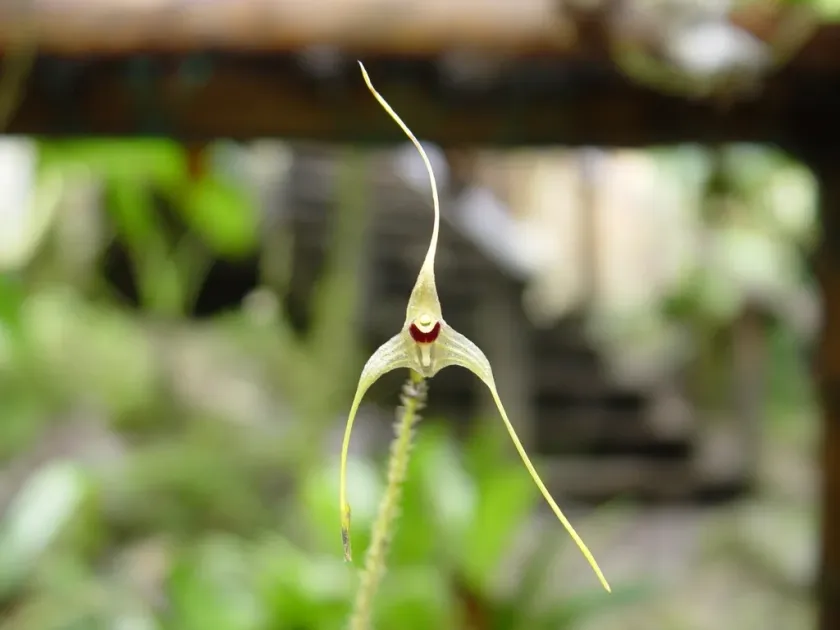
Porroglossum muscosum is a fascinating miniature orchid species belonging to the Orchidaceae family. Native to the cloud forests of the Andes, this plant thrives in environments characterized by constant humidity, cool temperatures, and high levels of atmospheric moisture.
The ideal cultivation climate for this orchid requires a cool-growing setup. Daytime temperatures should ideally stay between 18-22°C, while a significant drop in temperature during the night is essential to mimic its natural habitat and promote healthy physiological development.
As an epiphyte, Porroglossum muscosum demands a well-draining, airy substrate to prevent root suffocation. Mounting on cedar or cork slabs is often the most successful method, as it allows roots to dry out partially between waterings, preventing anaerobic conditions.
Light requirements for this species are low to moderate. In its native environment, it is shaded by the canopy, so in cultivation, it requires bright, diffused light. Excessive intensity will scorch the leaves and weaken the plant, while insufficient light leads to stunted growth.
Consistent watering is crucial for this moisture-loving species. The substrate should be kept consistently moist but never waterlogged. The use of pure, low-mineral water, such as reverse osmosis or rainwater, is highly recommended to protect the sensitive root system.
Main diseases and pests
Fungal rots represent the primary threat to the health of Porroglossum muscosum. These infections, particularly caused by overwatering and stagnant air, target the crown and roots, quickly leading to plant collapse if not addressed promptly with fungicides.
Insect pests, such as mealybugs and spider mites, often infest these orchids if the air circulation is inadequate. Mealybugs can hide in the crevices of the plant's growth, making them difficult to detect and eradicate without thorough manual inspection.
Maintaining a clean growing environment is the best defense against pathogens. Proper ventilation ensures that moisture on the leaf surfaces evaporates in a timely manner, significantly reducing the likelihood of fungal colonization on the delicate orchid tissues.
If an infestation occurs, it is recommended to use systemic or biological control agents specifically labeled for use on orchids. Avoiding harsh chemical pesticides is advised, as the thin leaves of Porroglossum are susceptible to chemical phytotoxicity.
Finally, monitor for signs of physiological stress, such as yellowing leaves or shriveled pseudobulbs, which indicate poor water quality or improper substrate pH. Timely repotting and substrate replacement are essential for long-term health in an indoor cultivation setting.