
Porella platyphylla
Porella platyphylla
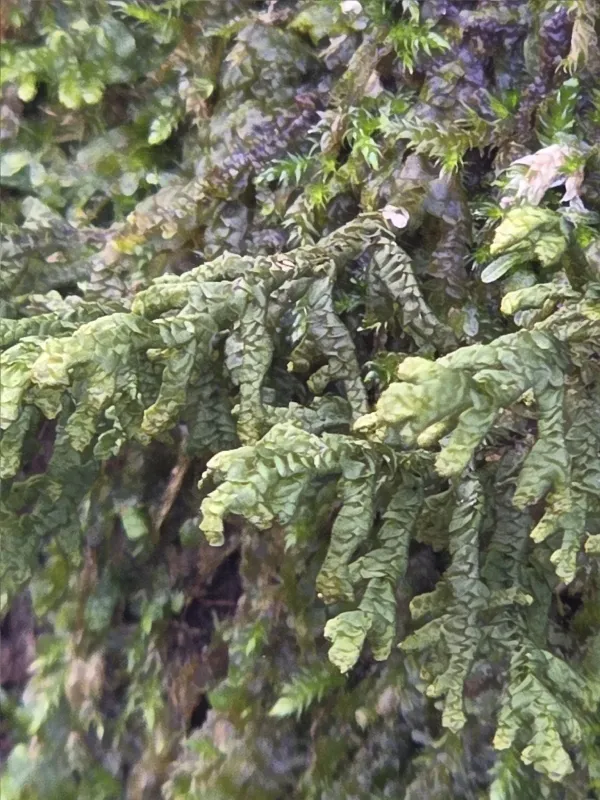
Description
Growing requirements
Porella platyphylla is a significant species of leafy liverwort within the Porellaceae family. It is a perennial bryophyte that typically grows in dense, dark green mats on tree trunks, moist rocks, and soil in temperate forests across the Northern Hemisphere.
The habitat requirements for this liverwort are quite specific, focusing on consistent moisture levels and high air humidity. It thrives in shaded environments, where it can absorb moisture directly from the atmosphere, making it a sensitive indicator of forest health.
From a botanical standpoint, the plant is characterized by a complex, bipinnately branched stem structure. The leaves are arranged in three distinct rows, an arrangement that maximizes surface area for water absorption and gas exchange in humid forest understories.
As this species is not an agricultural crop, there are no standard sowing or harvesting protocols. It serves an important ecological function by stabilizing bark surfaces and contributing to the biodiversity and nutrient cycling of damp woodland areas.
The plant is resilient to most common environmental stresses but is highly susceptible to atmospheric pollution, particularly sulfur dioxide. Its absence in formerly inhabited areas is often a key biological indicator of environmental degradation or air quality decline.