
Porella arboris-vitae
Porella arboris-vitae
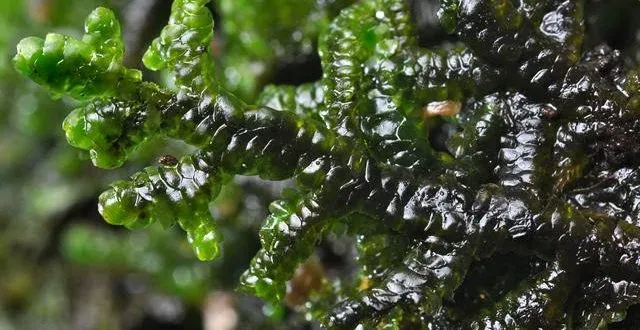
Description
Growing requirements
Porella arboris-vitae is a prominent leafy liverwort belonging to the Porellaceae family. As a perennial bryophyte, it forms dense mats on moist substrates, contributing significantly to the structural complexity of temperate forest ecosystems.
The plant thrives in shaded and humid environments, often colonizing tree trunks, damp rock surfaces, or decaying logs. High atmospheric humidity is the primary requirement for its survival, as it lacks a complex vascular system to transport water over long distances.
Its natural range encompasses various temperate regions, where it prefers stable forest microclimates. The species is highly sensitive to environmental stressors, making it an excellent bioindicator for clean air and ecosystem health in many protected areas.
Botanically, this liverwort features a pinnately branched stem with distinctive rows of leaves. This morphological adaptation allows it to maximize surface area for moisture absorption and nutrient uptake from fog, dew, and precipitation.
Although it is not classified as an agricultural crop, Porella arboris-vitae is essential for maintaining local biodiversity. It provides micro-habitats for diverse microscopic organisms and plays a part in nutrient cycling within the forest floor.
Main diseases and pests
The main threats to this species include deforestation and the loss of old-growth forest habitats. The destruction of its substrate, such as old trees or established rock faces, directly leads to the loss of local plant populations.
Air pollution represents a severe risk, as this liverwort is highly susceptible to toxins like sulfur dioxide. Exposure to pollutants causes physiological damage that prevents the plant from maintaining its life cycles and spreading effectively.
Climate change, manifesting as prolonged droughts, is a significant threat to populations. Since liverworts depend on external moisture for fertilization and spore germination, irregular weather patterns can stop their reproductive processes completely.
Invasive species and rapid changes in forest canopy density can alter the humidity levels of its habitat. Increased solar radiation and higher wind speeds dry out the moss mats, causing them to detach from the substrate and die.
Lastly, habitat fragmentation disconnects existing populations, preventing genetic exchange. Without stable corridors and protected areas, this sensitive bryophyte faces a high risk of localized extinction in human-dominated landscapes.