
Woobst Poplar
Populus x woobstii (R. I. Schröd. ex Regel) Dode
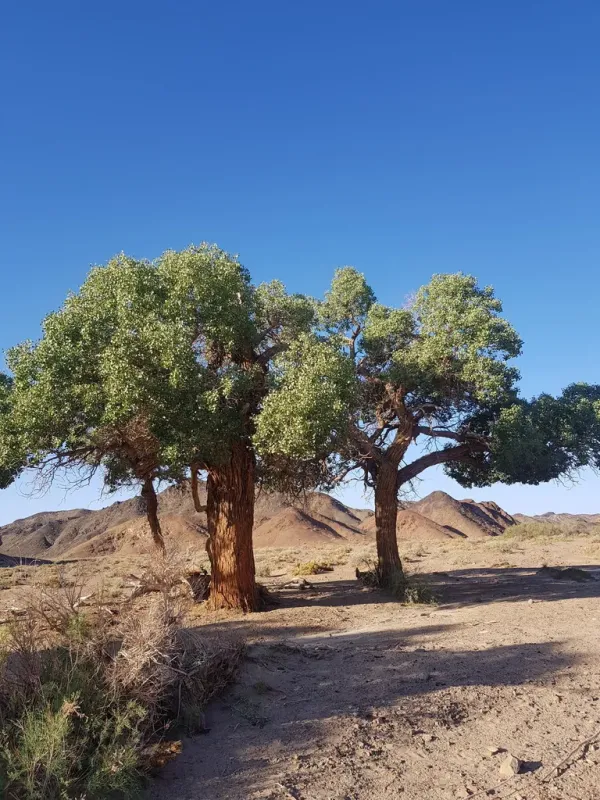
Description
Sowing dates
Propagation of Woobst Poplar in nursery conditions is primarily achieved through vegetative methods. Hardwood cuttings are the most effective material, harvested during the tree's winter dormancy period.
Planting cuttings into the soil is conducted in early spring, once the soil temperature reaches 8-10 degrees Celsius. The ideal time is during the period of sap flow before buds open, which ensures high survival rates.
To accelerate root formation, the planting material can be pre-treated with growth hormone solutions. Planting is done in well-prepared mounds to prevent water stagnation at the base of the cutting.
The spacing for nursery planting should be at least 50 centimeters between plants in a row. This ensures adequate space for nutrient uptake and optimal sunlight penetration for young seedlings.
Post-planting care includes abundant watering and mulching of the root zone. This measure helps maintain the necessary soil moisture levels until the tree is fully rooted.
Growing requirements
Woobst Poplar is a hybrid belonging to the Salicaceae family. It is a fast-growing deciduous tree, valued for its elegant crown shape and foliage, making it a popular choice for urban landscaping.
The plant prefers deep, fertile, and well-moistened loamy or alluvial soils. It has a high demand for water and consistent soil moisture but does not tolerate prolonged waterlogging.
The culture is quite adaptive to various climatic conditions and exhibits high winter hardiness, allowing for its successful use in regions with cold winters.
As a light-loving species, Woobst Poplar requires open spaces for proper crown formation. Under conditions of heavy shade, growth is significantly inhibited, and the tree may become sparse.
Agronomic maintenance includes regular soil loosening during the first years of the tree's life. Nitrogen-based fertilizers applied in the first half of the summer stimulate vegetative growth.
Yield
The main areas of use include forestry land reclamation and decorative landscaping. The culture is valued for its rapid biomass production and its ability to improve air quality in urban environments.
In industrial forestry, the wood of Woobst Poplar can serve as raw material for pulp production and particleboard manufacturing. Its lightweight structure makes it easy to process for various technical purposes.
Yields of timber at maturity, typically around 20-25 years, are substantial. The high regeneration capacity allows for the establishment of short-rotation plantations for biofuel chip production.
The ornamental value of the tree makes it highly sought after for creating windbreaks and living fences. Its fast growth rate allows for quick visual and protective results in landscape architecture.
With proper care in parks and urban settings, the tree maintains its aesthetic appeal for many decades, serving as a reliable element of the green infrastructure.
Main diseases and pests
The most dangerous disease for this hybrid is bacterial bark necrosis, which can lead to tree mortality. Prevention involves avoiding mechanical trunk damage and conducting regular sanitary pruning.
Poplar leaf miners are frequent pests whose larvae damage leaf tissues. During mass infestations, treatment with systemic insecticides during the growing season is recommended for effective control.
Rust diseases caused by fungal pathogens often affect plantations under conditions of high humidity. Control measures involve removing infected plant debris and applying copper-based fungicides.
Stem-boring insects pose a serious threat to weakened specimens. Regular inspection for signs of infestation allows for timely intervention and treatment of the affected areas.
Powdery mildew may also affect young shoots in areas with poor air circulation. Proper spacing and crown thinning are the most effective methods to minimize the spread of this fungal infection.