
Tomentose-glandular poplar
Populus x tomentiglandulosa T. B. Lee ex M. Kim
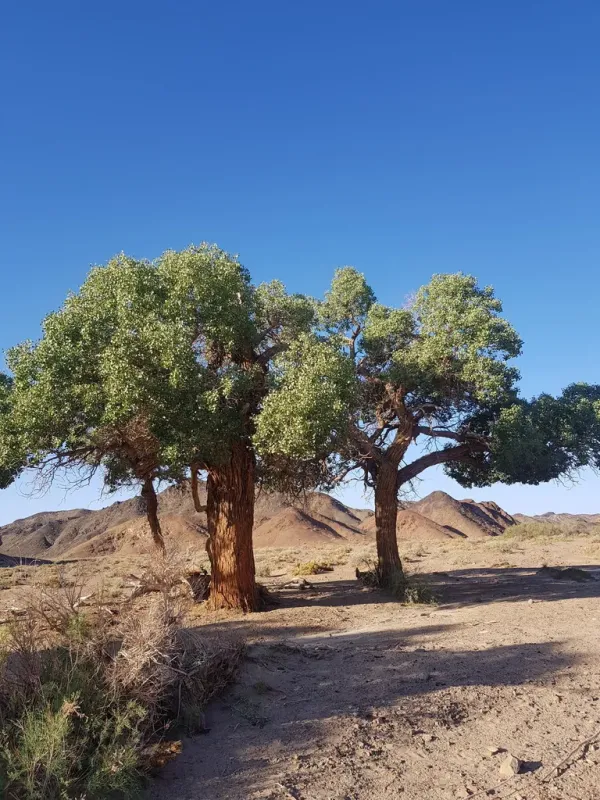
Description
Growing requirements
Tomentose-glandular poplar (Populus x tomentiglandulosa) is a hybrid species belonging to the Salicaceae family. It is widely recognized for its impressive growth rate, making it a staple crop in intensive plantation forestry programs across East Asia.
The species originated from deliberate hybridization efforts in Korea, aiming to produce wood with high mechanical strength and fiber quality. Its natural distribution is primarily managed within man-made forest stands and silvicultural research stations.
To achieve maximum yield, the trees require deep, loamy soils with good drainage and high nutrient availability. While the species is resilient, it performs best in regions where annual rainfall is evenly distributed, avoiding prolonged summer droughts.
Cultivation practices involve spacing trees to ensure adequate airflow and sunlight penetration, which are critical for photosynthesis. Early-stage management includes consistent weed control and protection from animal grazing until the trees reach a sufficient height.
The industrial applications are extensive, ranging from pulp production and plywood manufacturing to renewable biomass energy. Its fast-growing nature allows for shorter rotation cycles compared to traditional hardwood species.
Main diseases and pests
The culture is susceptible to various defoliating insects, including beetle larvae and caterpillars, which can significantly reduce the tree's vigor. Regular monitoring for egg masses and early larval stages is essential for effective pest management.
Fungal pathogens such as rust and leaf spot are common threats, especially in humid and stagnant air conditions. These diseases can lead to premature leaf drop, which impairs the tree's ability to store energy for the next growing season.
Stem and branch cankers caused by various fungi can severely damage the vascular system of the tree. If detected, pruning of infected branches is necessary to prevent the spores from spreading to healthy trees in the plantation.
Integrated Pest Management (IPM) strategies, including biological control agents and targeted applications of pesticides, are recommended to maintain plantation health. Over-reliance on chemicals should be avoided to preserve the ecological balance.
Environmental stress, such as extreme temperature fluctuations or soil compaction, can predispose the trees to secondary infections by opportunistic pathogens, further highlighting the need for good soil management.