
Black poplar
Populus nigra L. var. betulifolia (Pursh) Torr.
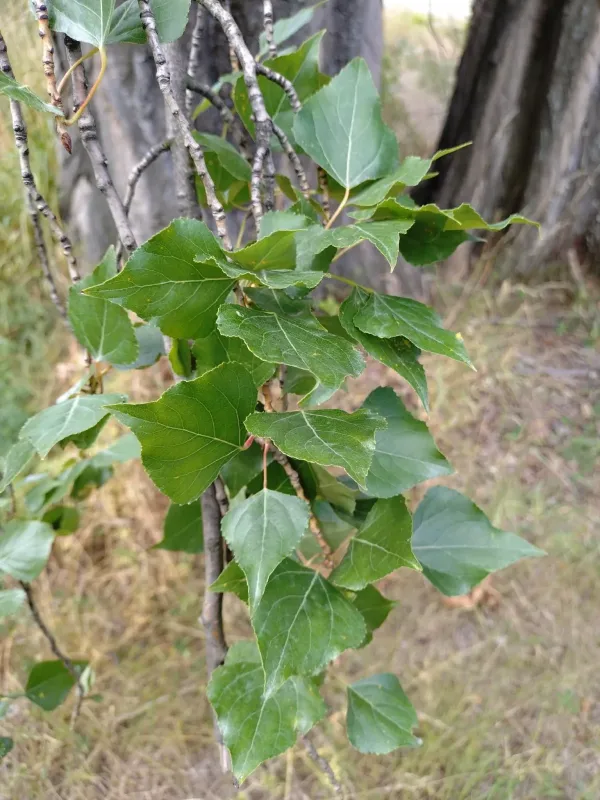
Description
Sowing dates
Propagation is predominantly achieved through hardwood cuttings taken during the winter dormancy period. These cuttings are planted in nursery beds early in the spring, which ensures high survival rates and uniform growth compared to sexual reproduction.
Seed propagation is technically demanding due to the short lifespan of the seeds, which must be sown immediately upon maturation. This process requires precise soil moisture control to ensure that the delicate seedlings do not desiccate during their initial development phase.
Growing requirements
The black poplar (Populus nigra L. var. betulifolia) belongs to the Salicaceae family and is recognized as one of the fastest-growing deciduous trees in temperate regions. Naturally occurring along riverbanks and floodplains, this species is well-adapted to environments with dynamic water levels and nutrient-rich soils.
The species requires deep, moist, and fertile soils to achieve optimal growth. While it tolerates occasional flooding, it performs poorly in dry, nutrient-deficient soils or in waterlogged conditions where soil aeration is severely limited. It is a highly light-demanding tree that requires full exposure to sunlight throughout its lifespan.
Climatic requirements involve a long growing season with sufficient moisture levels. The black poplar is hardy and capable of withstanding the temperature fluctuations typical of continental climates. Furthermore, its resilience to urban air pollution makes it an excellent candidate for city landscaping and industrial noise barriers.
Botany-wise, the species is characterized by its wide, pyramidal crown and dark, deeply fissured bark in mature specimens. Its rapid biomass accumulation is the primary reason for its economic popularity in forestry and renewable raw material production.
The industrial application of black poplar wood includes the manufacturing of plywood, particle boards, paper pulp, and various lightweight wooden packaging materials. Its fast rotation cycle makes it a preferred choice for short-rotation forestry projects aimed at sustainable timber production.
Main diseases and pests
Common pests include poplar leaf beetles, aphids, and various wood-boring insects that can significantly degrade wood quality. Integrated pest management strategies, focusing on healthy stand density, are essential to mitigate the risk of severe infestations.
Fungal diseases, specifically leaf rusts and stem cankers, pose a significant threat to plantation health. Preventive measures such as choosing resistant clones, avoiding over-densification of stands, and prompt removal of infected debris are critical for maintaining the overall vitality of the plantation.