
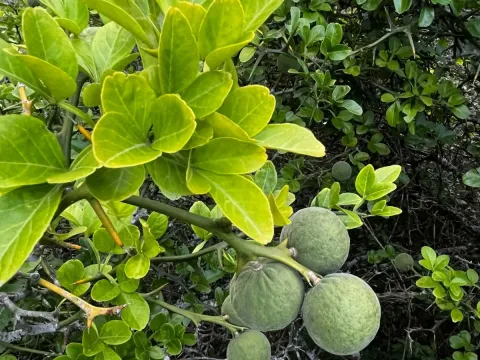
Poncirus
Poncirus
Poncirus seeds are best sown in autumn or early spring, provided they have undergone a stratification period of approximately 60 to 90 days at low temperatures.
What the section contains

Poncirus
A loose, well-draining soil mix is essential for sowing to ensure that the delicate root systems of the emerging seedlings are not prone to rotting.
Seeds should be buried at a depth of 2 to 3 centimeters, spaced adequately to allow for proper airflow and development during the first year of growth.
During the germination phase, it is crucial to keep the soil consistently moist but never waterlogged to encourage strong root development.
Vegetative propagation via cuttings is typically performed in mid-summer, using rooting hormones and high humidity environments to ensure successful establishment.
As a member of the Rutaceae family, Poncirus is highly prized for its exceptional cold tolerance, capable of surviving temperatures as low as -25 degrees Celsius.
The plant thrives in full sun exposure, which is necessary for the proper maturation of wood and the development of its distinctive thorns and fruit.
While adaptable to various soil types, Poncirus prefers loamy, slightly acidic to neutral soils with excellent drainage to prevent root diseases.
Young plants require protection from strong, drying winds during their first few seasons, as extreme exposure can cause dehydration of the new shoots.
Regular but moderate watering is required during the growing season, especially in the heat of summer, to support the plant's robust growth habit.
Poncirus is predominantly utilized in modern agriculture as a hardy rootstock for various citrus cultivars to improve their overall disease resistance and cold hardiness.
The fruit of the Poncirus is not widely consumed as a fresh produce item due to its high acidity, bitterness, and the presence of numerous small seeds.
Processed fruit may be used in niche culinary applications, such as the production of jams, marmalades, or aromatic liqueurs, after extensive preparation.
In landscaping, the shrub is frequently planted as a functional barrier, as its dense branches armed with sharp thorns form an impenetrable hedge.
The yield of seed from established trees is highly valuable for nursery production, providing a reliable source for rootstock breeding programs.
Root rot is the most significant threat to Poncirus, usually caused by poorly drained soil or excessive moisture accumulation during the dormant season.
Scale insects are common pests that colonize branches and leaves, sapping the plant's vitality and potentially leading to stunted growth if left untreated.
Spider mites may infest the foliage during hot, dry spells, causing chlorosis and a decrease in the plant's photosynthetic efficiency.
Regular scouting for fungal pathogens and insect infestations is recommended to allow for timely intervention with appropriate systemic pesticides or fungicides.
Maintaining a clean growing area and thinning the interior branches can significantly improve air circulation, thereby reducing the prevalence of fungal diseases.