
Poncirus hybrids
Poncirus hybrids
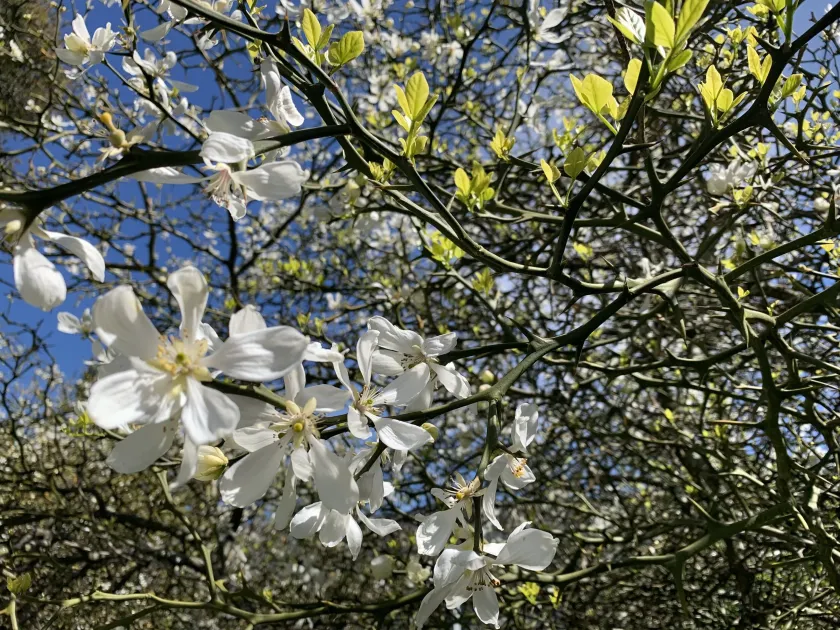
Description
Growing requirements
Poncirus hybrids are specific intergeneric crosses within the Rutaceae family, derived from Poncirus trifoliata. These plants are prized for their ability to thrive in colder regions where traditional citrus species fail to survive.
The culture requires a site with full sun exposure and protection from harsh prevailing winds. Ideal soil conditions include well-drained, slightly acidic to neutral loamy soils. Good drainage is essential, as these hybrids are susceptible to root rot in saturated conditions.
Regarding climate, these hybrids are semi-deciduous or evergreen depending on the specific parentage. During the growing season, consistent moisture is necessary, but the soil should be allowed to dry slightly between waterings to prevent fungal issues.
Nutrient management involves applying balanced, slow-release fertilizers during the spring and summer. Potassium application in late summer is recommended to harden off the wood, which increases frost tolerance during the winter dormancy period.
These hybrids are primarily utilized as rootstocks for various citrus varieties. Their biological vigor and resistance to soil-borne pathogens make them indispensable for large-scale commercial citrus production in temperate and subtropical regions.
Main diseases and pests
The most common disease threat is Phytophthora root rot, which typically occurs in compacted or poorly drained soils. Maintaining proper aeration and moisture balance is the primary preventative measure against this pathogen.
Pests such as scale insects and spider mites are frequent invaders, especially in glasshouse or indoor cultivation environments. These insects can significantly damage foliage and weaken the plant's structural integrity.
Control strategies for pests include the application of horticultural oils or systemic insecticides, depending on the severity of the infestation. Integrated pest management practices are recommended to reduce chemical reliance.
Viral infections, such as citrus tristeza virus, can affect certain sensitive scion-rootstock combinations. Therefore, selecting virus-free, certified hybrid rootstocks is vital for the long-term success of any planting project.
Regular sanitation, including the pruning of dead wood and the removal of fallen leaves, helps minimize the overwintering of pathogens and harmful insect larvae in the orchard environment.