
Poecilostachys oplismenoides
Poecilostachys oplismenoides
Description
Growing requirements
Poecilostachys oplismenoides is a distinct perennial grass species belonging to the Poaceae family. Primarily found in the high-altitude regions of Madagascar, this plant has adapted to specific ecological niches that require careful management if integrated into agricultural systems.
Regarding climatic requirements, the plant thrives in tropical highland environments characterized by high humidity and consistent moisture levels. It does not tolerate prolonged drought or extreme heat, necessitating stable environmental conditions for optimal biomass accumulation.
The soil structure is a critical factor for the health of this crop. It requires well-drained soil with a high content of organic matter. Heavy or clay-like soils that retain excessive water are detrimental to the root health of Poecilostachys oplismenoides, leading to potential pathogen development.
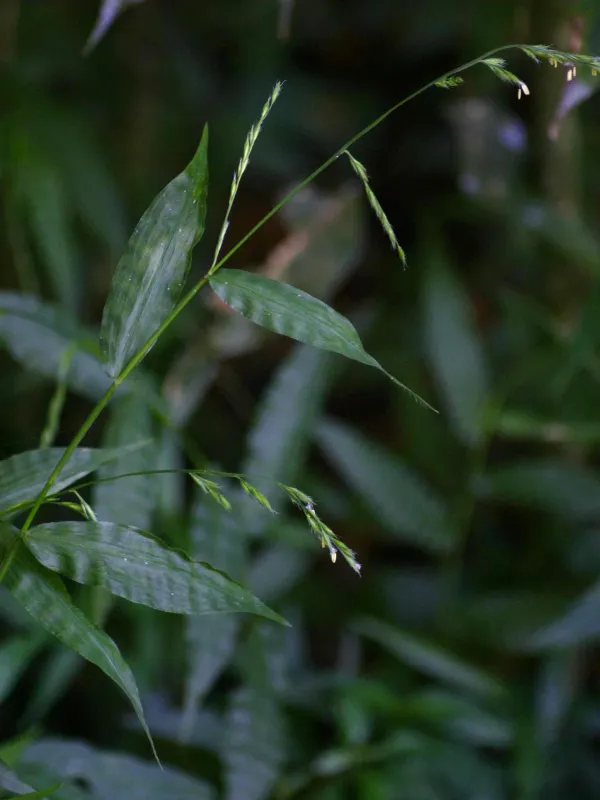
Botanically, the plant is noted for its unique inflorescence structure, which shares visual characteristics with other members of the Poaceae family. The plant forms robust tufts that are effective at soil stabilization, preventing erosion on sloping agricultural land.
In terms of agricultural utility, it acts as a significant component of local pasture systems. Its ability to grow in varied terrain makes it a valuable resource for maintaining biodiversity and providing forage in mountainous areas where traditional crops might struggle to establish.