
Poa ensiformis
Poa ensiformis Vickery
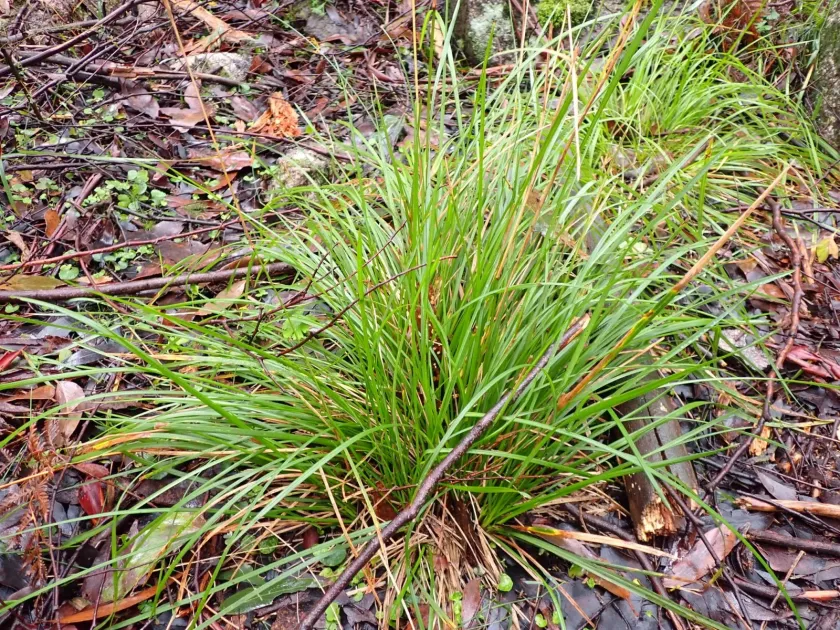
Description
Sowing dates
Poa ensiformis is a perennial grass species that requires precise sowing conditions for successful establishment. The optimal time for planting is early spring, when the soil moisture content is high and temperatures support active seed germination.
Late autumn sowing is also a viable option, allowing seeds to undergo natural winter stratification. This often results in more vigorous early spring growth, which is essential for establishing strong root systems before the onset of warmer weather.
Due to the small size of the seeds, planting should be shallow, typically no deeper than 1 to 1.5 centimeters. Ensuring proper soil preparation is critical; a smooth, firm seedbed increases the contact between the seed and the soil, improving overall germination rates.
When used in seed mixtures, sowing depth and density should be adjusted to account for the competitive nature of other companion species. Adequate moisture levels must be maintained during the first few weeks post-sowing to prevent seedling desiccation.
Professional growers often use treated or pelleted seeds to enhance uniformity and protection against early-stage environmental stress. This approach significantly increases the probability of achieving a dense and uniform stand.
Growing requirements
Poa ensiformis belongs to the Poaceae family and is recognized for its adaptation to specific ecological niches. Originating from Australia, it thrives in moderate, cool climates, typically found in mountainous and sub-alpine environments.
The species prefers well-drained but moisture-retentive soils with a neutral or slightly acidic pH level. While it displays good tolerance for occasional wet conditions, it is sensitive to waterlogged soils, which can lead to root system degradation.
In terms of climate, Poa ensiformis favors moderate temperatures throughout the growing season. It demonstrates notable cold tolerance, making it suitable for regions that experience significant temperature fluctuations during spring and autumn.
Light availability is essential for healthy tillering. While the plant can survive in partially shaded conditions, it achieves peak vegetative biomass and density when exposed to full sun, which supports optimal photosynthesis.
Nutrient requirements are moderate, common for many perennial grasses. Applying balanced fertilizers during early spring helps stimulate vegetative growth and enhances the plant's ability to recover after grazing or mowing.
Yield
The primary agricultural utility of Poa ensiformis involves the development of resilient pastures and the stabilization of erosion-prone terrain. Its extensive root system provides excellent soil binding properties, preventing topsoil loss.
Yield metrics for green biomass are heavily influenced by management practices, such as grazing intensity and frequency of harvesting. Rotational grazing is recommended to provide the plants with sufficient recovery intervals, ensuring long-term stand vitality.
The forage quality is highest during the early vegetative stage before the flowering phase begins. During this period, the grass provides high levels of protein and essential minerals, making it an excellent feed source for livestock.
Seed production yields depend on favorable seasonal conditions, particularly rainfall distribution. Proper timing of the harvest is crucial to minimize grain shattering losses, which can occur due to the uneven ripening of the inflorescences.
As a pasture component, Poa ensiformis is valued for its stability and persistence under varying environmental pressures. It provides a reliable feed supply in areas where more demanding forage species might fail to persist over time.
Main diseases and pests
Fungal infections, including rusts and leaf spots, pose the most significant threat to Poa ensiformis stands, especially during periods of high humidity. These diseases can impair leaf health and decrease the nutritional value of the foliage.
Pest pressure is frequently attributed to cereal flies and aphids, which feed on succulent new shoots. Severe infestations can stunt plant growth and reduce the overall density of the stand if not managed through timely interventions.
Soil-dwelling pests, such as wireworms, can damage the rhizomes of the plant, particularly in fields converted from permanent pasture. Thorough pre-sowing soil cultivation and monitoring are essential for early pest management.
Weed competition represents a major challenge during the establishment phase. Because Poa ensiformis grows relatively slowly in its first few weeks, effective weed control is necessary to prevent shading and nutrient theft by aggressive weeds.
Proactive management includes implementing crop rotations and maintaining high soil fertility to strengthen the plant's natural immunity. Chemical control should be considered only when pest or disease levels cross the economic threshold.