
Plocama pendula
Plocama pendula
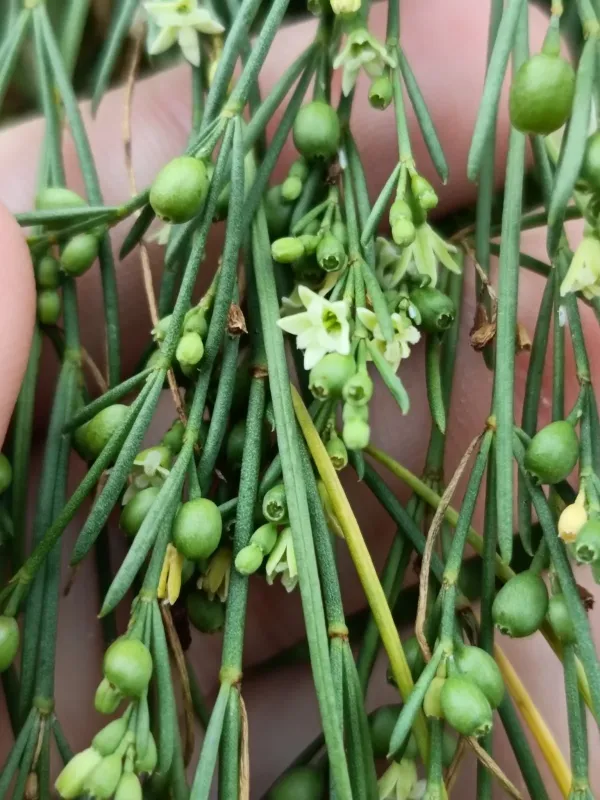
Description
Sowing dates
Seed propagation of this culture requires strict adherence to a temperature regime ranging from 20 to 25 degrees Celsius. Seeds should be sown in light, well-draining substrates that mimic the rocky soils of their natural habitat.
The optimal time for sowing is during the spring, as the photoperiod increases, providing the necessary solar radiation for germination and the development of sturdy seedlings without stem elongation.
Pre-soaking seeds in growth stimulants is recommended to accelerate the germination process. Surface sowing without deep burial in the soil is the most effective method for this specific species.
Germination can be irregular, making consistent substrate moisture essential during the initial stages. After the emergence of the first true leaves, careful transplanting into individual containers is required.
Subsequent development of seedlings involves gradual adaptation to direct sunlight and moderate watering. Young specimens are highly sensitive to waterlogging, necessitating excellent drainage systems in every pot.
Growing requirements
Plocama pendula belongs to the Rubiaceae family and is a semi-shrub adapted to arid environments. Its primary natural distribution range is located in the Canary Islands.
The plant has high light requirements and prefers open areas with direct sunlight exposure. In cultivation settings, it is crucial to ensure good air circulation to prevent moisture stagnation and fungal issues.
Soil requirements involve using gravelly or sandy mixtures with low organic content. It is important to avoid heavy clay soils, which provoke root system decay even with minimal excess water.
The temperature regime should be moderately warm; the culture does not tolerate sudden frosts, thus requiring shelter or greenhouse cultivation in temperate climate zones.
The economic use of this species is primarily decorative, owing to the unusual form of its pendulous branches and elegant flowering, which makes it popular among xerophyte collectors.
Main diseases and pests
The primary threat to the culture is fungal infection of the root system caused by improper watering regimes. Excessive moisture in the root zone inevitably leads to the development of root rots.
Regarding pests, spider mites and mealybugs are the most dangerous. These insects multiply rapidly under the low humidity conditions typical for succulent maintenance.
Disease prevention consists of strictly following watering standards and regular inspection of leaf axils. It is vital to avoid getting water on the foliage, especially during the evening hours.
In the event of pest detection, systemic insecticides or acaricides must be applied immediately. Biological control methods are less effective due to the plant's unique physiology.
Violations of agronomic practices, such as lack of light, make the plant more susceptible to any pathogens. Regular pruning of dry shoots helps maintain the culture's immunity at a high level.