
Pleurostylia pachyphloea
Pleurostylia pachyphloea
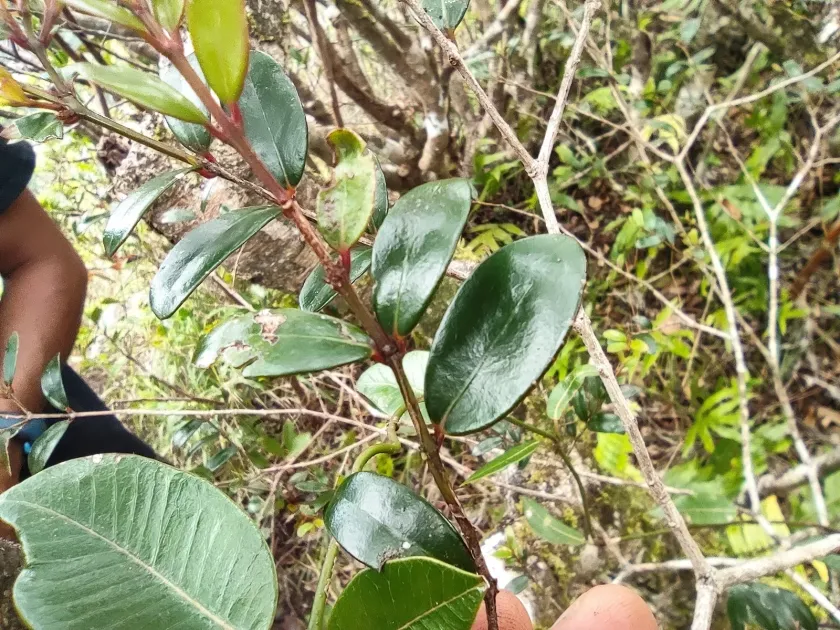
Description
Growing requirements
Pleurostylia pachyphloea is a distinct woody plant belonging to the Celastraceae family. This species is native to the island of Mauritius and is recognized as a rare endemic plant with significant botanical interest.
The plant thrives in tropical environments, requiring consistently warm temperatures and high humidity levels. It is typically found in forest areas that offer protection from intense direct sunlight and strong winds, which can damage its delicate growth structure.
For successful growth, it requires nutrient-rich, well-draining soils that maintain moisture without becoming waterlogged. The species is known for its slow development, which necessitates patience and precise moisture management throughout its early life stages.
Cultivation practices involve replicating its natural forest floor conditions. Providing partial shade and maintaining stable soil pH levels are crucial components of its horticultural care. Proper spacing is essential to ensure adequate air circulation around the canopy.
Management of this crop is largely focused on conservation. Because it is highly specialized, its cultivation is mostly restricted to protected environments like botanical gardens, where researchers can control light, water, and soil inputs.
Main diseases and pests
The primary threat to Pleurostylia pachyphloea involves habitat loss and competition from invasive plant species that are not native to the Mauritian ecosystems, effectively crowding out the slow-growing endemic trees.
Pathological risks include fungal pathogens that flourish in high-humidity climates, particularly affecting the bark and root zones. Regular monitoring and hygienic practices are necessary to mitigate the spread of these fungi in a nursery setting.
Insect pests such as wood-boring beetles present a serious risk to the tree's structural integrity. These pests can introduce secondary infections that compromise the health of mature trees, making regular inspection vital.
Environmental stressors, such as climate change and altered rainfall patterns, further threaten the viability of the species in the wild. These factors can reduce the success rate of natural pollination and seedling survival.
Conservation efforts currently focus on breeding programs and the protection of remaining wild populations. Implementing strict management zones is essential to prevent physical damage from invasive herbivores and human encroachment.