
Pleurostylia capensis
Pleurostylia capensis
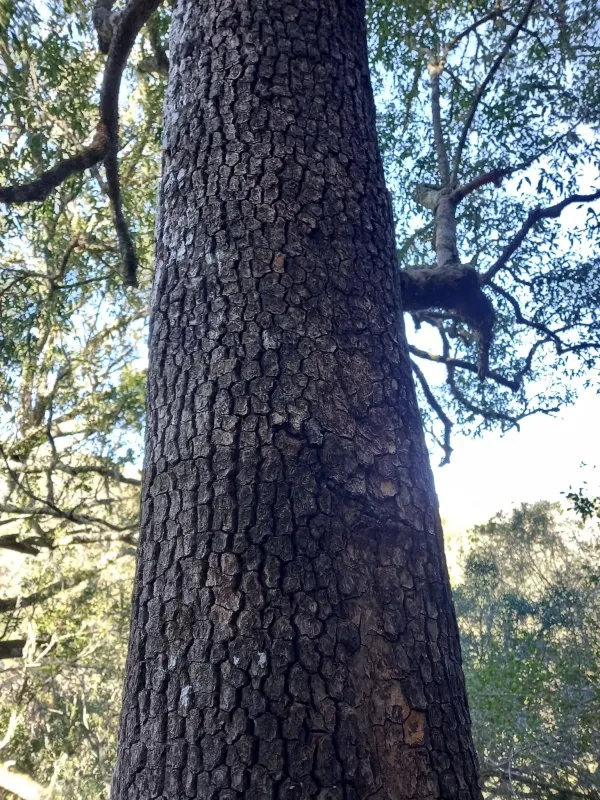
Description
Growing requirements
Pleurostylia capensis is a notable evergreen tree species belonging to the Celastraceae family. Known for its slow-growing nature and high-quality timber, it serves as a valuable resource in silviculture and specialized forestry operations within its native range.
The natural distribution of this species spans various regions in Southern and Eastern Africa, where it thrives in forest margins and coastal bushland. Its biological adaptation allows it to flourish in environments with reliable rainfall and warm, temperate climate conditions.
Regarding soil requirements, the species prefers deep, well-draining soils that provide adequate nutrients. It does not tolerate waterlogged conditions, as poor drainage is a primary factor in root system failure for this plant; therefore, soil aeration is essential for optimal growth.
Cultural practices should include regular monitoring for nutrient deficiency, especially in juvenile stages where growth rates are most sensitive to environmental stressors. Application of organic mulch around the root zone helps maintain soil moisture levels and reduces competition from weeds.
The economic significance of Pleurostylia capensis is primarily linked to its dense and durable wood, which has been utilized in local industry for carving and construction. Sustainable management of plantations is required to ensure consistent yield while preserving the genetic health of the population.