
Plantago schwarzenbergiana
Plantago schwarzenbergiana
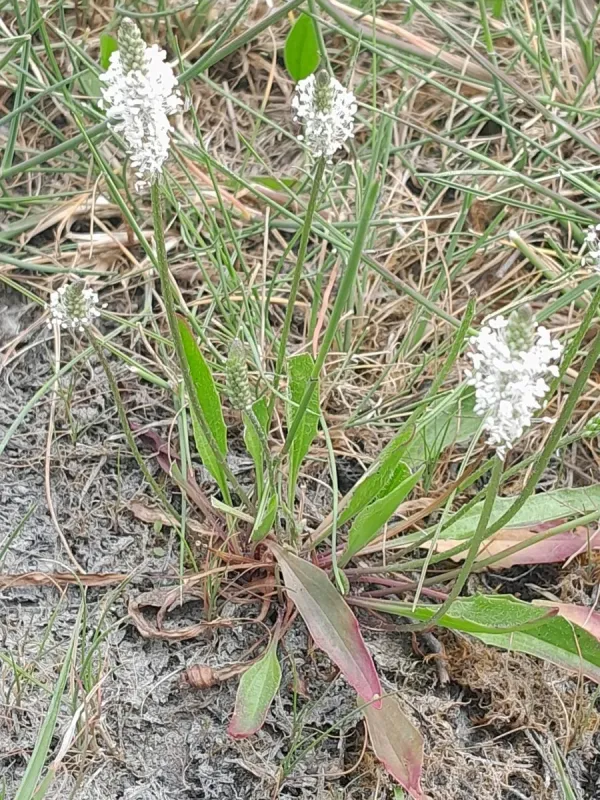
Description
Sowing dates
Sowing Plantago schwarzenbergiana seeds requires careful attention to specific site conditions, as this species is naturally adapted to specific saline habitats.
The optimal time for planting is early spring, once the soil has warmed to approximately 10-12 degrees Celsius to ensure rapid and uniform germination.
Seeds should be covered with a very thin layer of substrate, as they are light-sensitive and require exposure to emerge effectively from the soil surface.
Stratification of seeds prior to planting is highly recommended to break dormancy and ensure a more consistent crop density across the field.
It is critical to maintain constant moisture levels during the germination period, as young seedlings are particularly sensitive to desiccation.
Growing requirements
Plantago schwarzenbergiana is a member of the Plantaginaceae family, distinguished by its natural resilience to saline environments and alkaline soil conditions.
This crop thrives in full sun exposure and requires sites with excellent light penetration to maximize the production of its beneficial secondary metabolites.
The ideal soil type is a well-drained, saline or alkaline sandy-loam that prevents water accumulation while providing essential minerals for optimal growth.
While the species is highly drought-tolerant, it is susceptible to root rot if subjected to waterlogging, necessitating excellent site drainage management.
Thermal requirements are moderate; the plant grows best within a temperature range of 18-25 degrees Celsius during the peak of its vegetative season.
Yield
Total yield performance is highly dependent on the soil's mineral composition and the effective management of the crop's spatial distribution in the field.
Under professional cultivation protocols, the harvest of aerial parts can reach significant levels, provided that the plant density is optimized for biomass production.
Seed yield varies significantly based on environmental stressors, and careful selection of harvest timing is required to prevent pre-harvest seed shattering.
Plantation productivity generally peaks during the second or third year of growth as the root system matures and the plants establish higher vitality.
Continuous monitoring of nutrient status in the soil is recommended to maintain sustained yield levels over the long-term production cycle of the herb.
Main diseases and pests
Primary threats to this crop include fungal infections like powdery mildew, particularly in humid or stagnant air conditions within the plant stand.
Insect pests, such as various weevil species, can damage the crown of the plant during the early stages of spring regrowth, requiring proactive monitoring.
Root rot is the most common pathology resulting from poor soil aeration and drainage, which acts as a limiting factor in heavy or overly wet soils.
Weed competition is significant during the early development stages, necessitating manual or light mechanical weeding to ensure the young plants are not choked.
- Use of integrated pest management strategies to minimize chemical usage.
- Implementation of crop rotation to reduce soil-borne pathogen levels.
- Regular field scouting to detect early signs of pest infestations or disease.
Harvesting
Harvesting for leaf production should occur at the onset of flowering, which is the specific physiological stage when active ingredient concentrations are highest.
Care must be taken to harvest during dry, sunny weather conditions to ensure the quality and shelf-life of the dried raw material are maintained.
Post-harvest, the material should be transported immediately to a drying facility to prevent moisture buildup and subsequent loss of quality due to decay.
Drying must be conducted in clean, shaded, and well-ventilated areas to prevent degradation of the plant's natural pigments and sensitive compounds.
Seed collection is a delicate process involving selective harvesting as the spikelets mature to prevent the natural dispersal of seeds before the harvest concludes.