
Plantago phaeostoma
Plantago phaeostoma
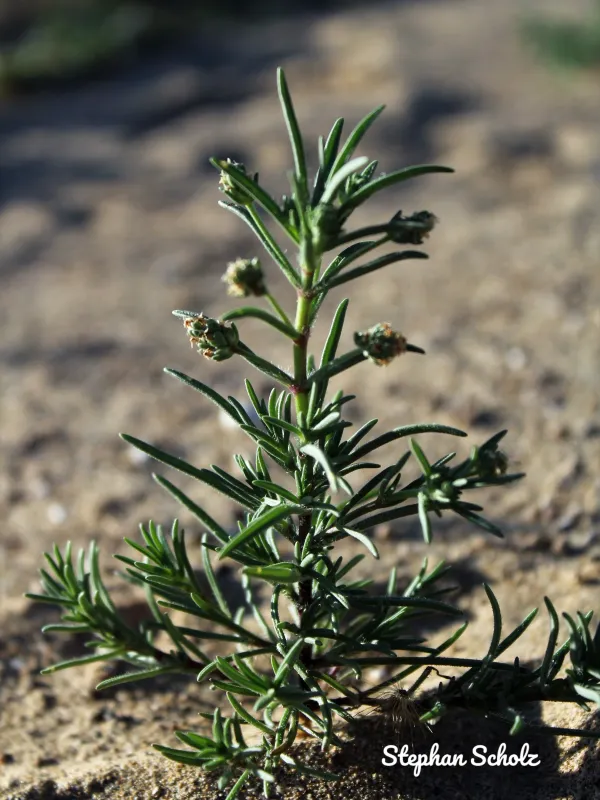
Description
Sowing dates
Plantago phaeostoma is a specific species within the Plantaginaceae family, which requires precise cultivation management. Successful sowing typically begins in early spring once the soil temperature consistently reaches 10-12 degrees Celsius, ensuring optimal conditions for seed germination.
Because the seeds are relatively small, shallow sowing is essential, with a depth of no more than 1-1.5 cm. This ensures that the seedlings have enough energy to break through the soil surface without exhausting their internal reserves, leading to a more uniform crop stand.
Agricultural practices for this plant recommend using specialized precision seed drills. Maintaining a row spacing of approximately 30-40 cm allows for proper airflow and space, which is critical for reducing humidity levels around the foliage and preventing fungal diseases.
Seed treatment, including stratification or stimulation with growth hormones, can significantly improve emergence rates. This preparation is especially beneficial in climates with irregular spring temperatures, providing a more reliable foundation for the upcoming growing season.
Late autumn sowing is an alternative method that allows seeds to undergo natural overwintering. This technique often leads to earlier germination in the spring, helping the crop establish a strong root system before the onset of summer heat.
Growing requirements
Plantago phaeostoma thrives in well-drained, fertile soils with a neutral pH, ideally between 6.0 and 7.0. Soils with high clay content should be avoided, as they are prone to waterlogging, which the root system of this species does not tolerate well.
The plant requires full sun exposure to achieve its maximum potential for producing biologically active compounds. While it is somewhat resilient to short-term dry spells, consistent irrigation is necessary during the active vegetative growth phase to maintain high biomass.
Proper nutrition is essential for optimal yields. A split application of mineral fertilizers, focusing on nitrogen during early growth and phosphorus-potassium blends before budding, promotes both healthy foliage and stronger reproductive organ development.
The ideal temperature range for this species is 18-22 degrees Celsius. Extreme fluctuations can cause the plant to enter a temporary dormancy phase, which may decrease the overall quality of the harvested leaves and slow down development during the peak growing season.
Weed control is the most critical maintenance task during the first month after planting. Since the plant starts slowly, it cannot compete with aggressive weeds; thus, regular mechanical or manual weeding is vital to ensure the crop has access to all available nutrients.
Yield
The economic value of Plantago phaeostoma is linked to its use in the pharmaceutical industry. Yields are maximized when the crop is harvested at the onset of flowering, as this is the point when the concentration of medicinal ingredients is at its peak.
With correct agrotechnical management, farmers can expect a steady yield of green biomass. In regions with long growing seasons, it is possible to perform multiple cuttings, provided the soil moisture and nutritional levels are effectively restored after each harvest.
Harvesting efficiency is greatly improved by using mechanized equipment, which allows for large-scale production while maintaining the purity of the raw material. Reducing the time between harvesting and drying is crucial to ensure high product quality.
Drying the harvested material should occur in controlled conditions, preferably at temperatures not exceeding 45 degrees Celsius. This method preserves the natural color and chemical integrity, meeting the strict standards of pharmacological manufacturers.
Proper post-harvest management, including sorting and packaging, plays a significant role in the overall profitability of the cultivation. Maintaining low humidity in storage facilities prevents degradation of the active substances and extends the shelf life of the dried product.
Main diseases and pests
Fungal diseases, particularly root rot, pose the greatest threat to Plantago phaeostoma, especially in fields with poor drainage. Once established, these pathogens can quickly compromise the health of entire sections of the crop, necessitating quick intervention.
Pests such as spider mites and various leaf-eating insects can cause significant damage during hot and dry spells. Integrated pest management strategies are encouraged, focusing on biological controls to keep the harvested crop safe for medicinal use.
Viruses and bacterial infections often spread through contaminated equipment or poor sanitation. Regular cleaning of farm tools is a simple yet effective preventative measure that keeps the production environment healthy and minimizes the risk of infection.
Weeds also serve as hosts for various diseases and pests that may target the plant. Keeping the field clear of invasive species is not just about competing for resources; it is a fundamental part of maintaining the overall phytosanitary health of the plantation.
In case of localized outbreaks, infected plants must be carefully removed and destroyed to prevent the spread to healthy sections of the field. Maintaining a robust crop rotation plan, where the plant does not return to the same plot for several years, remains the best long-term strategy.