
Plantago notata
Plantago notata
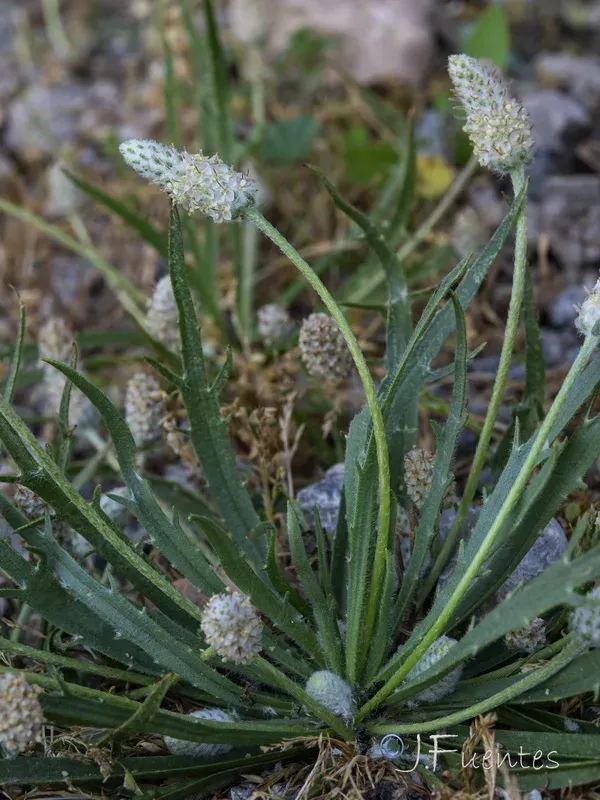
Description
Growing requirements
Plantago notata is an annual herbaceous species belonging to the Plantaginaceae family. It is a specialized plant perfectly adapted to arid and semi-arid environments, displaying significant resilience to harsh environmental stresses such as intense heat and low rainfall.
The plant thrives in sandy or light-textured soils that offer excellent drainage. A notable agronomical feature is its high tolerance to saline soil conditions, allowing it to grow in areas where standard agricultural crops would typically fail to establish.
Originally found in North Africa and parts of the Middle East, this species has evolved to maximize water-use efficiency. Its development is characterized by a rapid growth cycle that allows it to complete its life cycle during short windows of available soil moisture.
Agronomic management of this crop requires minimal intervention. It does not demand high levels of fertilization; however, proper soil preparation helps in maximizing the early development of the rosette leaves, which are critical for the plant's photosynthetic capacity.
Botanically, the plant features a rosette of basal leaves and produces dense, spike-like inflorescences. This morphology is efficient at reducing water loss and protecting the reproductive organs, ensuring successful seed set under challenging desert conditions.
Harvesting
Harvesting of Plantago notata is primarily focused on seed collection. Seeds should be gathered when the spikes turn brown, indicating full maturity. Because the seeds can disperse easily, timely harvesting is essential to prevent significant yield losses in the field.
Apart from seed production, the aerial parts of the plant can serve as a supplementary forage source in desert pastoral systems. While not a primary fodder crop, its ability to remain green during dry spells provides an important nutritional bridge for grazing livestock.