
Plantago maxima
Plantago maxima
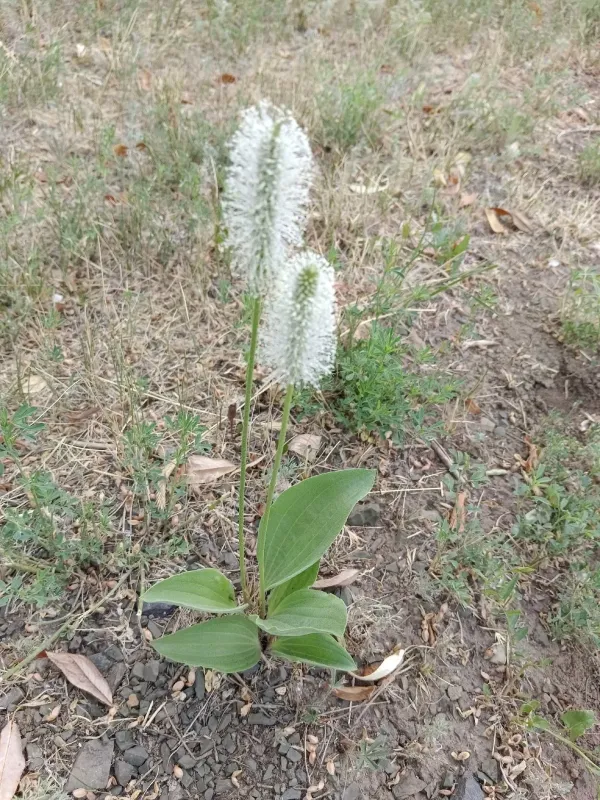
Description
Sowing dates
Plantago maxima, commonly known as the giant plantain, belongs to the Plantaginaceae family. This perennial herbaceous plant is typically propagated in agricultural settings through seeds, though division of rhizomes is also possible.
Sowing in field conditions usually takes place in early spring once the soil temperature reaches 8–10 degrees Celsius. Winter sowing is also a viable option, as it provides the necessary stratification for the seeds to germinate uniformly the following spring.
When sowing, seeds should be planted at a depth of no more than 1–2 centimeters because they are highly photosensitive. Row spacing should be approximately 45–60 centimeters to ensure adequate room for cultivation and weed control.
The crop grows slowly during the first year, establishing a rosette of large basal leaves. Maintaining clean fields by controlling weeds during the early vegetative stages is crucial for long-term productivity.
The plant features a robust root system, allowing it to adapt successfully to various temperate climate conditions. It is highly winter-hardy and does not require specific protective measures during cold weather.
Growing requirements
Plantago maxima has moderate growing requirements, preferring moist but well-drained soils. Loamy and sandy loam soils with high organic matter content yield the best results for commercial production.
The crop is light-demanding, so open fields with full sun exposure throughout the day are ideal for planting. Shading often results in elongated leaves and a decrease in the concentration of biologically active compounds.
Moisture management is key; the plant is highly responsive to irrigation during the peak leaf growth phase. However, waterlogged soil can lead to root rot, making effective field drainage a necessity.
The optimal soil pH range for this crop is between 6.0 and 7.5. In acidic soils, pre-planting liming is recommended to improve soil structure and nutrient availability for the plant.
Giant plantain responds well to balanced mineral fertilization, particularly nitrogen applications in the spring. Incorporating organic matter during autumn plowing significantly boosts the biomass yield of the plants.
Yield
The yield of Plantago maxima depends on the age of the plantation and the quality of agricultural management. The second and third years of the crop's life are generally considered the most productive.
In industrial settings, harvesting the medicinal raw material occurs before flowering begins, when the concentration of beneficial substances in the leaves is at its peak. Proper technology ensures a stable supply of product over several seasons.
Harvesting efficiency is improved through the use of mechanical mowers adjusted to a cutting height that does not damage the plant's growth point. Post-harvest, the raw material must be dried immediately to maintain high quality.
Average yields of dry raw material can range from 1.5 to 3 tons per hectare, depending on planting density and irrigation frequency. Regular rejuvenation of the planting area is essential to maintain high output.
With intensive care and timely fertilization, the crop can provide two harvests per season. This efficiency makes cultivating Plantago maxima economically viable in the medicinal herb production sector.
Main diseases and pests
Major diseases affecting giant plantain include fungal infections like powdery mildew and various leaf spot diseases. These pathogens thrive in environments with prolonged rainfall and high humidity.
Pests such as spider mites and leaf-eating insects can cause significant damage if crop rotation practices are ignored. Using biological pest control methods is recommended to ensure the purity of the medicinal product.
- Powdery mildew (prevention: row thinning)
- Leaf spot (fungicide application)
- Spider mites (acaricide application)
- Aphids (biological control methods)
Disease prevention relies on strict adherence to agricultural standards, such as removing plant debris and maintaining optimal plant density. This limits the environment suitable for pathogen development.
Effective crop rotation is a critical defense factor; it is recommended not to replant this species in the same field for at least 4–5 years. This practice significantly reduces the accumulation of soil-borne pathogens and pests.