
Plantago macrorhiza
Plantago macrorhiza
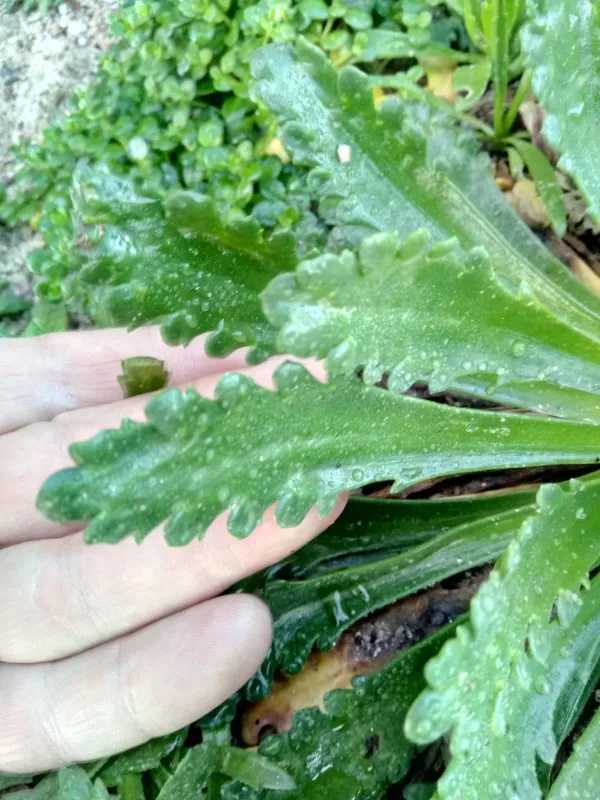
Description
Sowing dates
Plantago macrorhiza, a member of the Plantaginaceae family, is a perennial herb characterized by its distinctively large root system. Sowing typically begins in early spring when soil temperatures reach 8-10 degrees Celsius.
For better germination rates, many farmers choose late autumn sowing. This allows the seeds to undergo natural stratification, breaking dormancy during the winter months for more vigorous spring growth.
Seeds are extremely small and should be sown at a shallow depth of approximately 0.5 to 1 centimeter. Proper soil contact is vital to prevent the seeds from being washed away or drying out before germination.
In large-scale production, row seeding with spacing of 45-60 centimeters is recommended. This layout facilitates mechanical weeding and cultivation, ensuring the plants have enough space to establish their root systems.
The seeding rate is usually between 2 and 3 kilograms per hectare, depending on the purity and germination potential of the specific seed batch used for planting.
Growing requirements
This species thrives in sunny, open locations. As a light-loving plant, it requires full sun exposure to maximize the synthesis of bioactive compounds within its foliage throughout the growing season.
Regarding soil preferences, it is adaptable but performs best in well-drained loam or chernozem soils. Maintaining a neutral to slightly alkaline soil pH is essential for optimal nutrient uptake.
While the plant is quite hardy, it is highly sensitive to waterlogged conditions. Excessive standing water in the field can cause root rot, making site selection with adequate drainage a top priority.
The plant demonstrates significant drought tolerance once established. Its deep root structure allows it to thrive in areas where other moisture-demanding crops might struggle during dry spells.
Optimal growth occurs at temperatures between 18 and 25 degrees Celsius. The crop is capable of surviving moderate temperature fluctuations, making it suitable for a variety of temperate climates.
Main diseases and pests
The primary threats to this crop include fungal infections such as powdery mildew, which thrive in high humidity and can significantly degrade the quality of the harvested medicinal leaves.
Soil-borne pests, such as wireworms and white grubs, pose a major threat by consuming the root system. Infestations can lead to sudden wilting and, if left unchecked, the death of the plants.
Aphids and spider mites may attack the tender leaves during the early vegetative stage, extracting sap and weakening the plant, which may stunt its overall growth and development.
Crop rotation is the most effective preventative measure against these threats. Avoiding planting in fields that previously hosted host-specific pathogens is crucial for long-term farm health.
Integrated pest management, focusing on biological controls rather than chemical pesticides, is highly recommended to ensure the purity and safety of the final medicinal product.
Harvesting
The harvest should take place during the peak flowering stage. This timing ensures that the concentrations of medicinally valuable compounds, including glycosides, are at their absolute maximum.
Harvesting is performed by cutting the leaves while ensuring the root rosette remains intact. This approach allows the plant to continue growing, potentially providing multiple harvests per season.
It is essential to harvest in dry, sunny weather after the morning dew has evaporated. Wet leaves are susceptible to fungal contamination and spoilage if not dried immediately after gathering.
Post-harvest processing involves rapid drying at temperatures between 40 and 50 degrees Celsius. Proper drying preserves the integrity of the plant's active constituents and extends storage life.
Final storage should be in a cool, dry, and dark environment. Protecting the dried herbs from humidity and direct light is necessary to maintain their potency and quality for industrial use.