
Sand plantain
Plantago indica
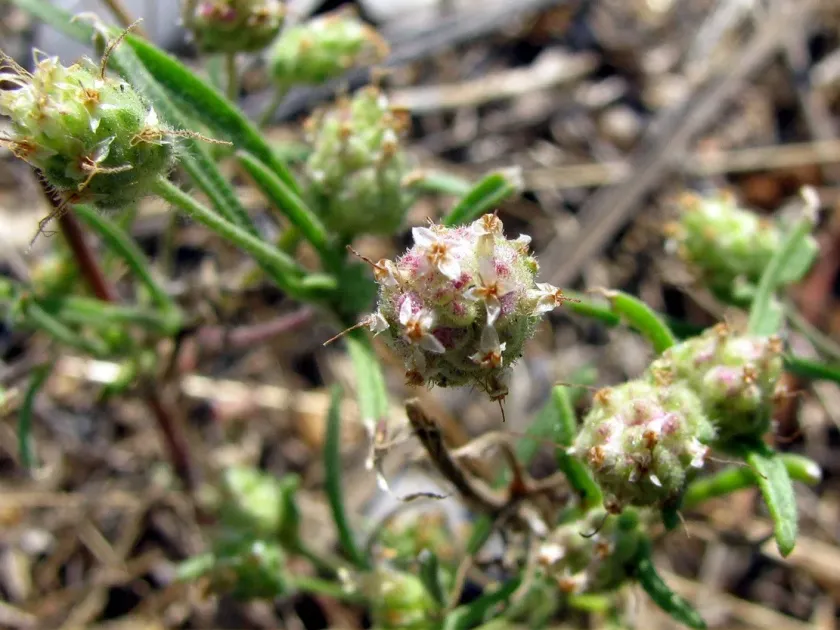
Description
Sowing dates
Sowing of sand plantain should be carried out in early spring as soon as the soil warms up to 8–10 degrees Celsius. In regions with milder climates, late autumn sowing is also practiced to benefit from natural seed stratification.
Seeds should be planted at a shallow depth of 0.5–1 centimeter, as they require light to germinate effectively. Row spacing should be kept between 45 and 60 centimeters to facilitate proper field maintenance.
The standard seeding rate is approximately 3–4 kilograms per hectare, depending on seed viability. Ensuring optimal soil-to-seed contact is crucial for achieving uniform emergence across the plot.
For those using seedling propagation, seeds are started in greenhouses during March. Transplants are moved to the field once they reach the 3–4 true leaf stage to maximize the growing season.
After sowing, light roller compaction is recommended to prevent moisture loss from the topsoil. Seedlings typically appear 10–14 days after planting, provided the soil remains consistently moist.
Growing requirements
Sand plantain, a member of the Plantaginaceae family, is a resilient herb that thrives in open, sunny environments. Exposure to full sunlight is essential for the accumulation of active compounds within the plant tissues.
The crop is relatively undemanding regarding soil type but performs best in well-drained sandy or sandy-loam soils. It is highly drought-tolerant and can survive in nutrient-poor environments where other crops fail.
The ideal soil pH for sand plantain ranges from 6.0 to 7.0. Waterlogging should be strictly avoided, as it can lead to root decay and decreased yields in commercial plantations.
The plant is frost-hardy and shows excellent adaptation to varying temperatures. Keeping the area free of perennial weeds during the early stages of plant establishment is critical for overall success.
Agricultural management involves periodic inter-row cultivation to maintain soil aeration and moisture retention. Fertilization should be kept to a minimum to avoid promoting excessive foliage at the expense of medicinal quality.
Yield
The yield of green mass of sand plantain varies based on environmental conditions, typically reaching 15–20 decitonnes of dry mass per hectare. Strategic timing of harvest significantly influences productivity.
Seed production is a primary objective for commercial growers, with yields reaching 5–8 decitonnes per hectare. High-quality seeds are highly valued for their mucilaginous content, which is used in pharmaceutical applications.
Maintaining proper plant density is vital to prevent intraspecific competition for nutrients and space. Proper spacing ensures that every individual plant reaches its full reproductive potential.
A well-maintained plantation can be productive for 3–4 years before natural thinning occurs. Beyond this period, it is recommended to rotate the crop to a fresh area to maintain high yield levels.
Favorable weather during the flowering stage leads to a higher concentration of active ingredients. A warm and dry summer is particularly beneficial for seed development and maturity.
Main diseases and pests
Sand plantain is generally robust and resistant to most common plant diseases. However, high humidity may trigger issues such as powdery mildew, which can affect foliage quality if left untreated.
Rust infection can also appear on leaves during periods of prolonged dampness. In such instances, removing infected plant parts and applying appropriate preventive measures is recommended for field sanitation.
Soil-borne pests like wireworms pose a threat to the root system, particularly in younger crops. Implementing proper crop rotation and tillage practices is the best defense against these infestations.
- Fungal infections (powdery mildew, rust).
- Soil-borne pests (wireworms).
- Leaf-eating insects (weevils).
- Weed competition for resources.
Preventive measures include using certified, treated seeds and practicing thorough autumn soil preparation. Regular monitoring of the plantation allows for early intervention before pest populations become problematic.
Harvesting
Harvesting begins when the seeds reach full maturity and the flower spikes turn dark brown. Timing is critical to prevent seed shattering, which can cause significant losses in the field.
Mechanical harvesting using combine harvesters is common, provided the settings for threshing are adjusted to avoid crushing the seeds. Proper machine calibration ensures high-quality output.
Immediately after harvest, the raw material must be dried to prevent heating and fungal growth. Controlled drying at temperatures between 40 and 45 degrees Celsius is ideal for preserving quality.
Once dried, the seeds are cleaned using specialized equipment to remove debris and dust. The final product should have a moisture content of no more than 13 percent for safe storage.
Stored seeds must be kept in a dry, well-ventilated area away from direct sunlight. When stored properly in paper bags, the seeds retain their quality for up to two years.