
Plantago holosteum
Plantago holosteum
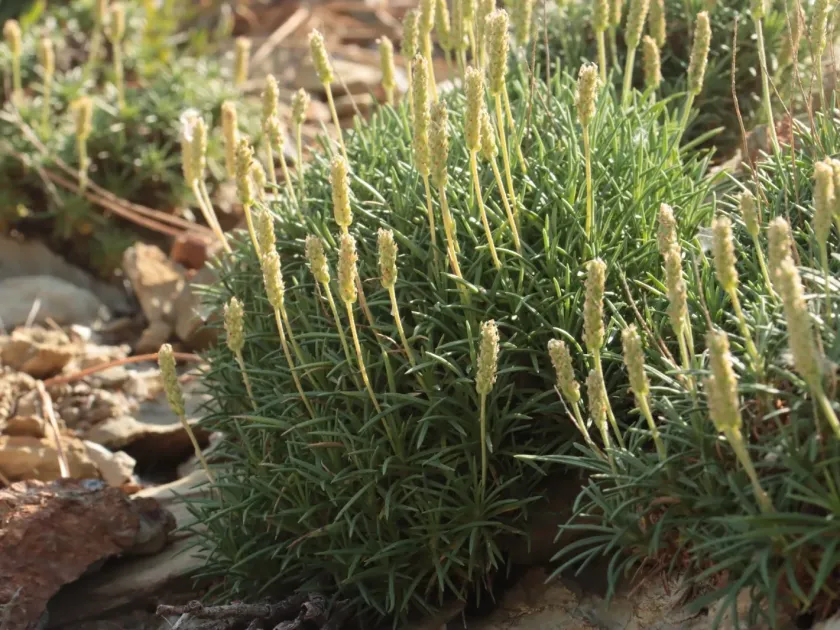
Description
Sowing dates
Plantago holosteum is typically propagated via seeds, which often require stratification to ensure uniform germination. The optimal sowing time is early spring once soil temperatures reach 5-8 degrees Celsius.
Given the small size of the seeds, they should be sown at a shallow depth of approximately 0.5 to 1 cm. Rolling the soil after planting is recommended to improve soil-to-seed contact and ensure successful emergence.
For commercial cultivation, row planting with spacings of 45-60 cm is standard, allowing sufficient space for the leaf rosettes to develop and facilitating mechanical weeding operations.
Greenhouse propagation and subsequent transplanting are possible for early-season production. This method helps the crop establish itself faster and optimizes yield in the first growing year.
Autumn sowing can be successful in temperate regions, allowing the seeds to undergo natural winter stratification, which often results in stronger and more vigorous seedlings in the spring.
Growing requirements
This species belongs to the Plantaginaceae family and is highly adaptable, naturally occurring in various environments ranging from meadows to rugged mountainous landscapes.
It performs best in sandy loam or light loamy soils with a neutral or slightly alkaline pH. Adequate sunlight is crucial, as the plant thrives in open, well-illuminated areas.
Plantago holosteum exhibits significant drought tolerance, attributed to its dense, narrow foliage and a well-developed root system that effectively accesses soil moisture.
While the plant is hardy, it dislikes waterlogged soil. Good drainage is essential to prevent root rot and ensure the longevity of the perennial crop in the field.
The plant grows optimally at temperatures between 18 and 24 degrees Celsius. It possesses high environmental plasticity, making it resilient to moderate temperature fluctuations.
Yield
The yield of green biomass depends heavily on cultivation intensity and harvest frequency. Under good agricultural practices, producers can expect between 1.5 and 3 tons of dried material per hectare.
Strategic nitrogen and phosphorus fertilization following each harvest can significantly boost regrowth rates, leading to higher annual biomass production.
The crop is known for reliable seed production, enabling farmers to maintain their own supply of high-quality seeds for consecutive planting seasons without quality decline.
Maximum productivity is typically achieved during the second and third years, when the plant rosettes reach their full size, providing the most efficient biomass harvest.
For pharmaceutical or high-quality herbal use, harvest should occur during the flowering stage, as this phase corresponds to the highest concentration of bioactive compounds in the leaves.
Main diseases and pests
Fungal diseases, such as powdery mildew and various leaf spot pathogens, are the primary threats, especially in environments with high humidity or poor air circulation.
Insect pests, including various leaf-chewing larvae and weevils, can damage the foliage. Maintaining healthy, vigorous plants is the best defense against minor pest outbreaks.
Integrated pest management, including crop rotation and the avoidance of over-densification, is essential to keep the crop healthy and productive over several years.
Regular field scouting is recommended to identify early signs of pathogens or pest colonization, allowing for timely intervention before significant damage occurs.
Using biopesticides and maintaining clean field borders help control pest populations while ensuring the final harvested product remains free of harmful chemical residues.
Harvesting
Harvesting is usually carried out using mechanical mowers set at a height that avoids damaging the central growing point of the leaf rosette, ensuring rapid plant regrowth.
Harvested material must be processed or dried promptly to prevent spontaneous heating, which can compromise the quality and active ingredients within the plant tissues.
Drying should take place in shaded, well-ventilated areas or in controlled dryers at temperatures not exceeding 45 degrees Celsius to preserve the plant's essential qualities.
After the material is dried, it should be sorted and cleaned of soil or debris before being packaged in breathable, moisture-resistant bags for storage or transport.
Seed harvesting occurs when the flower spikes are fully mature. The seeds are then cleaned using winnowing or seed-cleaning machinery to ensure purity for future planting.