
Saline plantain
Plantago eriopoda
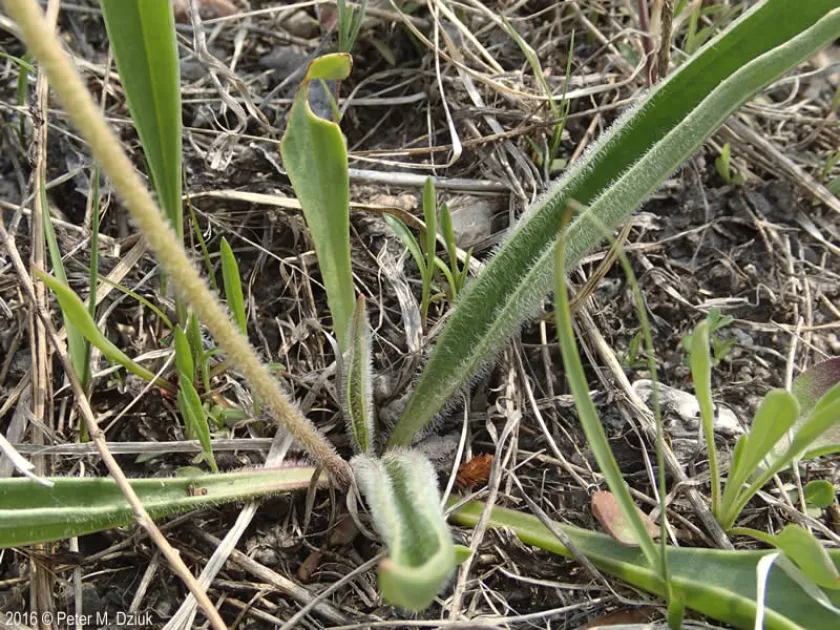
Description
Sowing dates
Sowing of Saline plantain (Plantago eriopoda) is best performed in early spring, once the soil has warmed to at least 10–12°C. The seeds require a period of stratification to improve germination rates and uniformity across the field.
The seeds should be planted at a shallow depth of 0.5–1 cm, as they are sensitive to deep burial. Precision seeding is essential to ensure that the density remains within the recommended range of 30–45 cm between rows.
Seedlings typically emerge within 14 to 20 days, depending on soil moisture levels. During this initial stage, it is crucial to protect the young plants from weeds, which can easily outcompete the slow-growing seedlings.
Transplanting seedlings from greenhouse trays can provide a significant advantage in areas with short growing seasons. This method ensures a better survival rate and more predictable crop development.
Light mulching with compost or peat can help stabilize moisture levels and prevent soil crusting, creating an optimal environment for seed germination and early development.
Growing requirements
Plantago eriopoda is a member of the Plantaginaceae family and is well-known for its halophytic nature, meaning it thrives in saline soils where other crops struggle to grow. This unique trait makes it a valuable plant for marginal lands.
The crop prefers sunny, well-ventilated sites. It shows significant resilience against environmental stressors, including cold temperatures and fluctuating moisture levels, thanks to its evolutionary adaptation to harsh environments.
Ideal soil for this plant is loamy or clay-based, capable of supporting its specialized root system. While it adapts to alkaline conditions, maintaining proper soil structure through periodic tillage is essential for vigorous growth.
Regular cultivation between rows is necessary to manage weeds and improve soil aeration. This practice is vital for nutrient uptake, especially during the active growth phase when the plant builds its rosette.
Fertilization management should be based on soil nutrient testing. Typically, balanced NPK applications promote leaf production, though excess nitrogen should be avoided to maintain the plant's natural hardiness.
Main diseases and pests
Root rot remains the most common threat, usually caused by poor drainage or excessive standing water on the field. Selecting a site with adequate drainage is the most effective preventative measure.
Pests such as leaf-eating beetles can cause damage during the active growing season. Integrated pest management, focusing on biological controls, is recommended to preserve the medicinal quality of the plant material.
Powdery mildew may occur if the planting density is too high, leading to poor air circulation between the plants. Ensuring proper spacing is a fundamental aspect of cultural disease control.
Nematodes can pose a risk if the same area is continuously used for the same family of crops. Implementing a diverse crop rotation cycle is the best way to prevent the buildup of soil-borne pathogens.
Regular monitoring of the fields helps in early identification of any disease or pest infestations. Prompt action allows for targeted interventions, minimizing the need for broad-spectrum chemical treatments.