
Pitcairnia hitchcockiana
Pitcairnia hitchcockiana
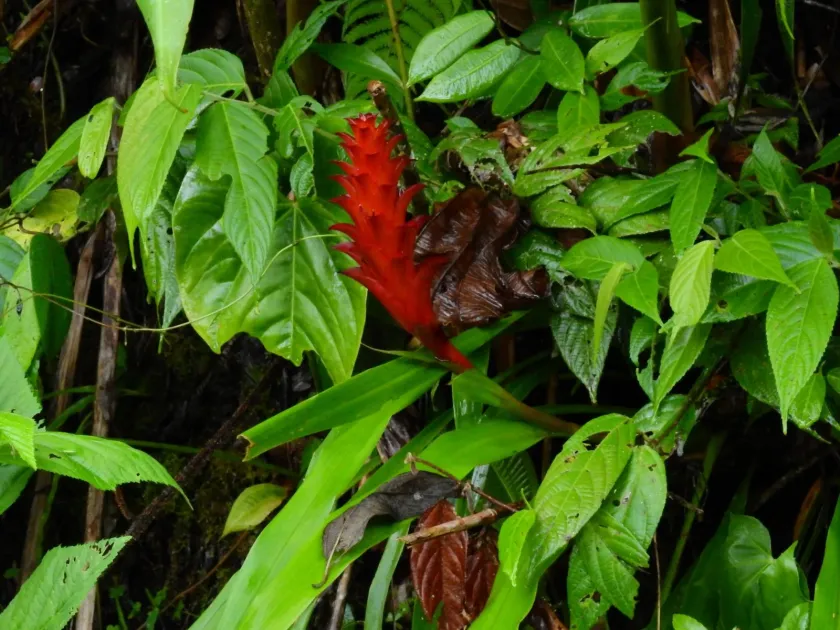
Description
Growing requirements
Pitcairnia hitchcockiana is a distinct species within the Bromeliaceae family, native to the mountainous tropical regions of Ecuador. It is a perennial plant that thrives in humid forest understories and cliff crevices.
Cultivation requires a specific microclimate that mimics its natural habitat. The plant needs bright, filtered light and should never be exposed to direct harsh sunlight, which can quickly dehydrate its delicate leaf tissues.
The substrate must be highly porous to ensure excellent drainage. A mix comprising orchid bark, perlite, and sphagnum moss is ideal, as it allows the roots to breathe while maintaining necessary humidity levels around the base.
Temperature management is critical for the success of this species. It prefers a consistent range between 18°C and 25°C. Exposure to temperatures consistently below 15°C will severely impact the plant's metabolic processes.
Humidity is perhaps the most vital environmental factor. Keeping the relative humidity around 70-80% ensures the plant remains lush. Growers often use misting systems or humidity trays to maintain these specific conditions throughout the year.
Main diseases and pests
Scale insects are a common concern for Pitcairnia hitchcockiana. These pests hide in the crevices of the rosette and can be difficult to remove without manual inspection and targeted use of horticultural oils.
Root rot is the most frequent disease, primarily resulting from overwatering or poor-draining substrate. When the roots remain wet for too long, they lose the ability to transport nutrients, leading to rapid plant decline.
Spider mites can become problematic in dry air conditions. If the humidity is not sufficiently high, these microscopic arachnids target the foliage, causing a mottled appearance and eventual loss of the leaves.
Fungal infections can occur if the ambient air circulation is stagnant. Ensuring that there is constant, gentle airflow around the plant helps prevent spores from settling on the foliage and developing into active infections.
Effective pest and disease management relies on preventative measures: maintaining optimal humidity, providing good ventilation, and ensuring that the growing medium dries out appropriately between watering cycles.