
Mouse-ear hawkweed
Pilosella officinarum F. W. Schultz & Sch. Bip.
Description
Growing requirements
Mouse-ear hawkweed (Pilosella officinarum F. W. Schultz & Sch. Bip.) is a perennial herbaceous plant belonging to the Asteraceae family. It is recognized for its exceptional resilience in nutrient-poor environments.
The plant thrives in sandy, stony, or well-drained soil types. It is commonly found in dry grasslands, heathlands, and coastal dunes, indicating a high tolerance for drought and low soil fertility.
Optimal growth conditions require full sun exposure and excellent soil drainage. Waterlogging is detrimental to the plant, as it leads to root issues and rapid decline of the population.
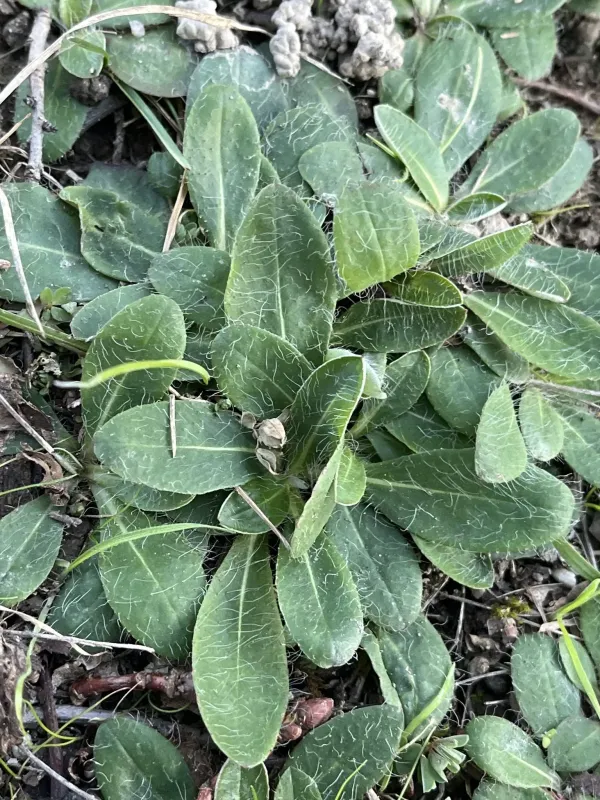
The species displays a distinct rosette growth habit and produces stolons, which allow it to spread horizontally and create dense mats, effectively colonizing open ground areas.
In agricultural and botanical contexts, the plant is primarily valued for its medicinal properties, specifically for its diuretic and anti-inflammatory compounds extracted from the leaves and stems.
Main diseases and pests
Mouse-ear hawkweed possesses high natural resistance to many common pests and diseases due to the presence of secondary metabolites that act as a chemical defense.
The primary threat to the crop is the development of fungal infections in the root zone, typically caused by improper site selection or excessively wet growing seasons.
Powdery mildew can occur in dense, unventilated stands, especially when humidity levels remain high for extended periods, reducing the quality of the harvested biomass.
Most insect pests avoid this plant because of the dense trichomes covering the leaves, which serve as a physical barrier against feeding and oviposition.
Management practices should focus on maintaining optimal soil moisture levels and ensuring the area is kept free of aggressive weeds during the establishment phase.