
Pileanthus vernicosus
Pileanthus vernicosus
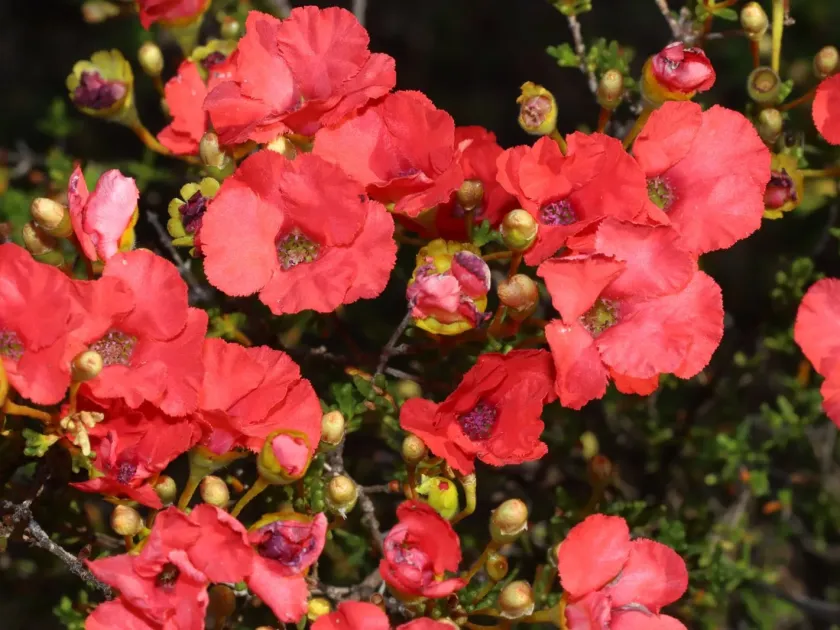
Description
Growing requirements
Pileanthus vernicosus is a notable species belonging to the Myrtaceae family, native to the diverse landscapes of Western Australia. It is classified as an ornamental shrub, recognized for its specific morphological adaptations to sandy, nutrient-poor environments.
To cultivate this species successfully, growers must prioritize soil drainage. The plant is highly intolerant of waterlogged conditions, which can lead to rapid root rot. Using a coarse, sandy substrate that mimics its natural habitat is the most effective approach for greenhouse or outdoor cultivation.
Light requirements for Pileanthus vernicosus are significant; it thrives in full sun exposure. Inadequate lighting results in poor foliage density and reduces the probability of successful flowering, which is the plant's primary aesthetic value in horticultural settings.
Nutritional management is distinct from standard crops, as this species is sensitive to high levels of phosphorus. Standard fertilizers are often too concentrated, therefore, slow-release nutrient sources designed for Australian native plants are highly recommended.
The botanical structure of the shrub includes specialized leaves with a shiny, resinous appearance. These leaves serve as a protective layer, enabling the plant to conserve water during extended dry seasons in its natural climate, making it an interesting subject for xeriscaping.