
American pokeweed
Phytolacca americana L.
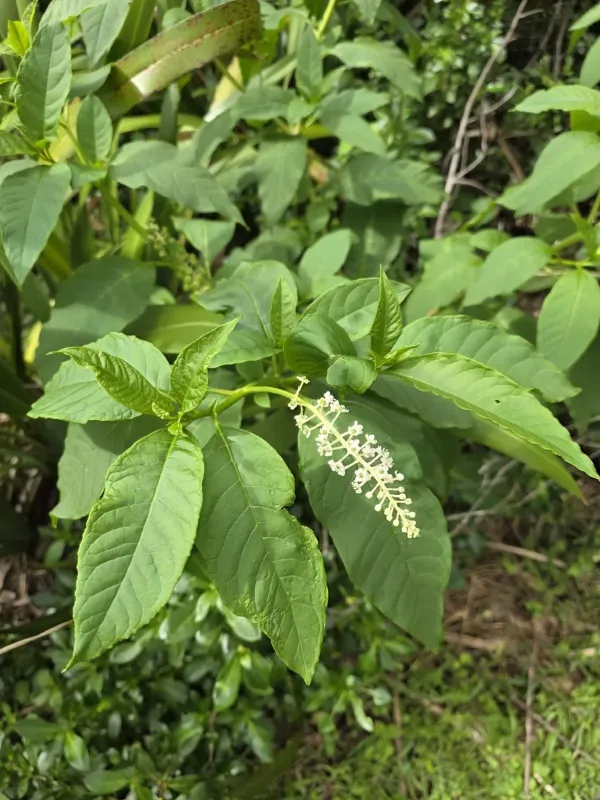
Description
Sowing dates
The cultivation of American pokeweed (Phytolacca americana) typically begins with seeds, which require a cold stratification period of approximately 60 to 90 days to break dormancy and ensure consistent germination rates in spring.
Sowing in open ground is best performed in late autumn, allowing the seeds to undergo the necessary natural freezing and thawing cycles. This mimics the plant's natural propagation process, significantly increasing success rates compared to immediate spring planting.
For indoor propagation, seeds should be sown in early spring in well-draining potting soil. Keep the seed trays moist and in a warm, bright environment. Once seedlings develop their first true leaves, they should be transplanted into individual pots to avoid root competition.
When transplanting outdoors, ensure a spacing of at least 70 to 90 centimeters between plants. This distance is vital due to the plant's aggressive growth rate and its ability to develop a large, spreading canopy and a deep taproot system.
As a member of the Phytolaccaceae family, the plant exhibits rapid development. Within its first growing season, a well-nourished plant can achieve significant height, establishing its perennial status for future years.
Growing requirements
American pokeweed thrives in fertile, deep, and well-draining soils with a neutral or slightly acidic pH. It performs best in areas rich in organic matter, such as compost or well-rotted manure, which support its heavy nitrogen demands.
The species prefers full sun to partial shade. While it can adapt to various light conditions, optimal flower and berry production occur in sunny spots that provide at least six hours of direct sunlight daily.
Regular moisture is essential, especially during the peak growing season of summer. However, the plant is intolerant of waterlogged soil, which can quickly lead to root rot. Good drainage systems or planting on slightly raised beds are highly recommended.
Maintenance involves routine weeding during the establishment phase, as young plants cannot compete effectively with aggressive grasses. Once mature, the dense foliage of the pokeweed acts as a natural suppressant for many smaller weeds nearby.
Mulching the base of the plant in late autumn with organic materials protects the fleshy taproot from freezing temperatures in colder climates, ensuring it returns vigorously the following spring.
Main diseases and pests
Phytolacca americana is remarkably robust against most common pests and diseases due to the presence of potent phytochemicals. However, in poorly ventilated or excessively damp conditions, plants may occasionally show signs of powdery mildew.
Slugs and snails are the most frequent minor pests, particularly for young seedlings during damp spring weather. If damage becomes significant, integrated pest management strategies, such as physical barriers, are preferred over chemical interventions.
Root rot remains the primary physiological threat if the soil is inadequately drained. Symptoms typically include wilting, chlorosis of the foliage, and eventual death of the main stem, necessitating careful monitoring of soil moisture levels.
While the plant is generally resistant, it can act as a host for certain mosaic viruses that affect other crops. Therefore, avoid planting it in close proximity to commercial vegetable crops, particularly solanaceous species, to prevent cross-contamination.
Safety is the most critical factor regarding maintenance. Since all parts of the plant are poisonous, personnel must wear gloves and long sleeves when handling it to avoid skin irritation or accidental ingestion.
Harvesting
Harvesting the roots for pharmacological and research purposes is conducted in the autumn of the plant's third or fourth year. At this stage, the taproot is fully developed and holds the highest concentration of triterpene saponins.
Roots should be carefully excavated, washed to remove soil particles, and sliced into smaller pieces before drying. Drying must occur in a well-ventilated, shaded environment or a controlled dehydration chamber to maintain the chemical integrity of the roots.
The berries are harvested when they reach full maturity, turning a deep, dark purple. They are primarily harvested for their natural dyes or research into their biochemical compounds, but they must be handled with extreme care due to their toxicity.
Stored material should be kept in airtight containers away from direct light to prevent the degradation of active components. Properly dried root material generally retains its potency for up to two years under optimal storage conditions.
In ornamental horticulture, the harvest is timed for the aesthetic appeal of the pendulous berry racemes. These are often collected for decorative foliage arrangements, provided they are kept out of reach of children and pets.