
Chaparral pea
Pickeringia montana
Description
Growing requirements
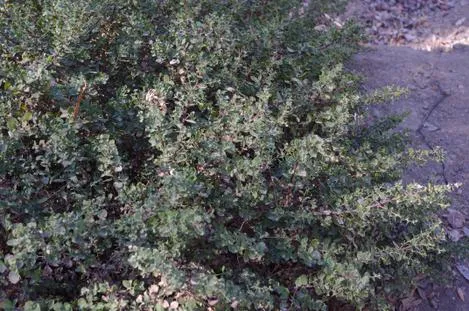
Chaparral pea (Pickeringia montana) is a distinct species of evergreen shrub belonging to the Fabaceae family. Native to California, this plant is an iconic component of the chaparral ecosystem, showcasing remarkable resilience in arid and semi-arid conditions.
Botanically, it is recognized by its stiff, thorny, and densely branched stems. The foliage consists of small, leathery trifoliate leaves, an evolutionary adaptation that allows the plant to thrive under intense heat and limited water availability.
Cultivation requires specific environmental conditions, primarily coarse, well-draining soils. As a nitrogen-fixing legume, it is well-adapted to nutrient-poor soils, making it an excellent candidate for sustainable, low-input xeriscaping.
The plant thrives in full sun exposure. It is highly sensitive to moisture accumulation; therefore, it is imperative to avoid waterlogged sites, which often lead to immediate decline due to root hypoxia.
Agronomic management focuses on minimal intervention. It does not tolerate frequent fertilization or irrigation, which can lead to excessive, weak growth and increased susceptibility to physiological disorders.
Main diseases and pests
Root rot caused by Phytophthora species is the most significant threat to Pickeringia montana. This is usually triggered by inadequate drainage or over-irrigation during the growing season.
While the plant is generally hardy, it can occasionally be affected by sucking insects if stressed by extreme heat or drought. However, these infestations rarely require chemical intervention.
Fungal leaf spots may occur in environments with high humidity and poor air circulation. Providing adequate spacing between plantings is essential to prevent these localized infections.
Physical damage to the root system during weeding or transplanting poses a high risk, as it allows soil-borne pathogens to enter the vascular system of the shrub.
Maintaining a dry, mulch-free zone immediately around the base of the stem is a recommended practice to minimize the risk of crown rot and ensure long-term plant health.