
Phyllothamnus erectus
Phyllothamnus erectus
Description
Growing requirements
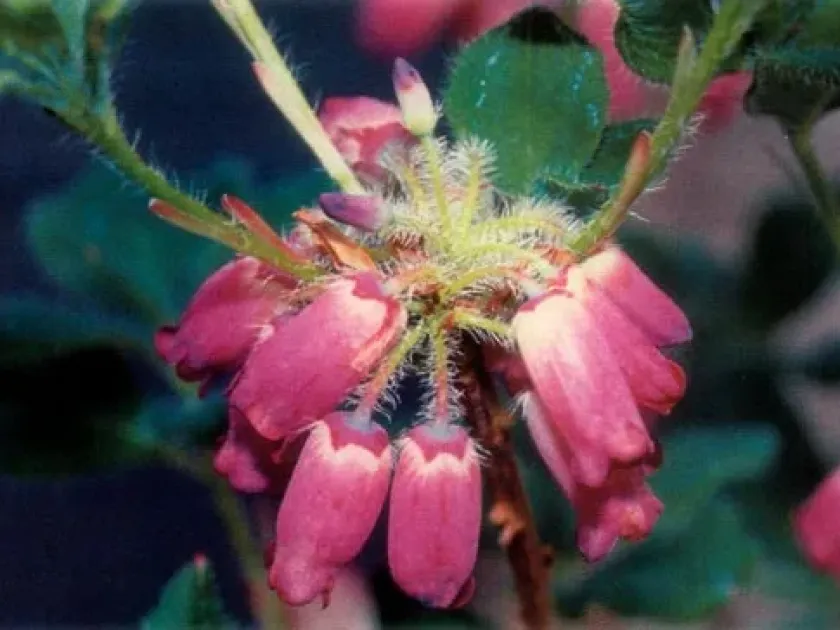
Phyllothamnus erectus is a distinguished bigeneric hybrid belonging to the Ericaceae family, resulting from the cross between Phyllodoce empetriformis and Rhodothamnus chamaecistus. This evergreen shrub is prized for its compact habit and ability to produce abundant, bell-shaped flowers.
Cultivation of this species requires mimicking its natural alpine or high-latitude mountain habitat. It thrives in cool climates with consistent moisture. Unlike many garden shrubs, it requires a protected position that offers protection from harsh afternoon heat, making it an excellent choice for woodland or partially shaded garden sites.
Soil requirements are strictly acidic and highly porous. The plant demands a growing medium rich in organic matter, such as peat or leaf mold, combined with sharp sand or grit to ensure excellent drainage. Any accumulation of water around the roots will inevitably lead to root failure.
Cultural maintenance involves ensuring a stable moisture level throughout the growing season. While the plant appreciates damp conditions, the soil must never become waterlogged. Applying a thick layer of acidic organic mulch helps maintain soil moisture, suppresses weeds, and mimics the natural forest floor conditions.
In terms of usage, it is a specialty plant for experienced gardeners. It serves as an architectural element in rockeries, heather gardens, and containers where its evergreen foliage provides year-round structure. Proper spacing is essential to ensure good airflow, which is critical for the long-term health of the shrub.
Main diseases and pests
Phytophthora root rot is the most significant threat to Phyllothamnus erectus, typically triggered by improper drainage or excessive soil moisture. Once established, this fungal infection is difficult to cure, emphasizing the importance of preventive measures and selecting the correct planting site.
Spider mites represent a major pest risk, particularly during hot and dry spells. They thrive in the microclimate under the foliage and can quickly cause significant damage to the plant's health. Regular monitoring and high humidity are effective ways to prevent major infestations.
Botrytis or grey mold may occur if environmental conditions lead to poor ventilation within the foliage. Ensuring that the plant is not crowded by neighbors and that the center of the bush remains airy will greatly reduce the likelihood of this fungal development.
Aphids can occasionally colonize young shoots, weakening the plant's vigor. While usually not lethal, they should be managed early in the season to prevent the accumulation of honeydew and subsequent sooty mold growth on the leaves.
Winter desiccation is a risk in windy or exposed locations. Even though the plant is hardy, providing a sheltered spot or a light protective cover during severe, freezing winds helps preserve the moisture content in the evergreen leaves, ensuring the plant survives the dormant season intact.