
Phyllanthus niruroides
Phyllanthus niruroides
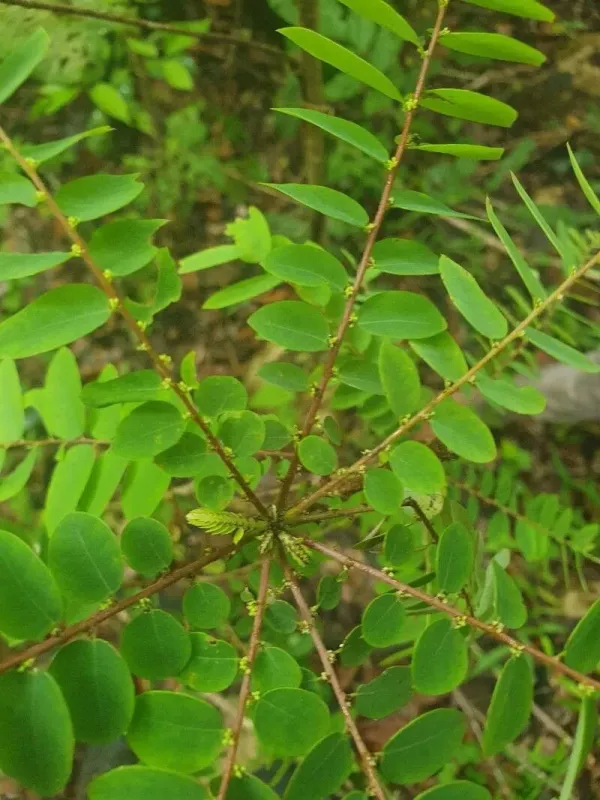
Description
Sowing dates
Sowing Phyllanthus niruroides in tropical regions is typically conducted at the beginning of the rainy season to ensure natural irrigation. In temperate climates, seeds should be started indoors or in greenhouses to ensure proper growth before transplanting outdoors.
Seeds are very fine and should be sown at a shallow depth of approximately 0.5 to 1 cm. A light covering of soil or sand is sufficient to provide the necessary contact for germination while allowing the seeds access to light if required.
Temperature is critical for successful germination; the optimal range is between +22 and +28 degrees Celsius. Constant moisture must be maintained in the seedbed, as drying out during the germination phase can lead to total crop failure.
When sowing in trays, seeds are distributed evenly to prevent overcrowding. Once the seedlings reach a height of about 5-8 cm and have developed several sets of true leaves, they are ready to be transplanted to their final location in the field.
Acclimatization of the seedlings is an essential step in the nursery phase. Gradual exposure to outdoor conditions over a week or two helps the plants withstand field conditions and improves the overall survival rate of the crop.
Growing requirements
Phyllanthus niruroides, belonging to the Phyllanthaceae family, thrives best in sunny and warm environments. It requires significant exposure to direct sunlight to optimize the production of its specific secondary metabolites.
Well-drained soil is paramount, as this plant is susceptible to root rot if water stagnation occurs. Ideally, the soil should be sandy-loam or well-structured fertile soil with a slightly acidic to neutral pH level.
Watering requirements are highest during the active vegetation phase. However, as the plant matures, irrigation can be reduced to encourage the accumulation of bioactive compounds, which are often concentrated when the plant is under mild physiological stress.
The use of organic amendments, such as well-rotted compost, before planting helps improve soil fertility and structure. This provides the plants with a steady supply of nutrients, which is crucial for robust leaf and stem development.
Given its tropical origins, the plant requires protection from extreme cold and strong, drying winds. Providing shelter or planting in protected areas can significantly boost yields in regions where the climate is marginally suitable for this species.
Yield
Yield performance for Phyllanthus niruroides is primarily measured by the total biomass of the aerial parts. Under optimal agronomical management, producers can expect high-quality yields suitable for medicinal supply chains.
Weed control is the most significant factor impacting yield during the first month of growth. Since the plants grow relatively slowly at the start, manual weeding is often necessary to prevent competition for nutrients and space.
The application of balanced fertilizers during the mid-vegetation stage can increase biomass, but excessive nitrogen should be avoided as it may degrade the chemical composition of the harvested material. Precision fertilization is key to quality.
Monitoring for growth uniformity is also essential for maximizing yield. Removing poorly developed or diseased plants early in the season ensures that resources are directed toward healthy, productive specimens.
Successful management typically results in multiple harvests per season in tropical areas, or one strong, concentrated harvest in more temperate zones, depending on the length of the frost-free growing period.
Main diseases and pests
Fungal pathogens represent the most common threat, especially in humid conditions where air circulation is limited. Powdery mildew and root rot are frequently encountered if planting density is too high or drainage is poor.
Pests such as aphids and spider mites can cause significant damage during hot and dry spells. These pests suck the sap, leading to leaf yellowing and reduced photosynthetic capacity, which directly negatively impacts the yield.
Integrated Pest Management (IPM) is strongly recommended, focusing on biological controls and cultural practices rather than harsh chemicals. This approach preserves the integrity of the plant as a medicinal ingredient.
Crop rotation is an essential tool to prevent the buildup of soil-borne diseases. Avoiding consecutive planting of Phyllanthus species on the same field for at least three seasons is a standard agronomic practice to break the disease cycle.
Regular sanitation, which involves removing debris and infected plant matter from the field, is the most effective way to prevent the rapid spread of infections across a larger plantation area.
Harvesting
The harvest should take place during the peak flowering stage, as this is when the concentration of the plant's active constituents is at its highest. Harvesting too early or too late can significantly lower the quality of the raw material.
Plants are cut using clean, sharp tools, leaving a stubble of about 5-7 cm above the ground. This avoids contamination of the biomass with soil particles and promotes faster post-harvest drying.
Freshly harvested material must be moved quickly to a drying area to prevent fermentation and spoilage. In hot climates, this should be done out of direct sunlight to maintain the integrity of delicate bioactive compounds.
Drying is conducted in thin layers under shade with high air circulation. Temperatures during the drying process should ideally stay below +40 degrees Celsius to prevent the thermal degradation of the plant's therapeutic ingredients.
Once dried to the correct moisture level, the product should be stored in cool, dark, and dry conditions. Using breathable containers like burlap or paper bags helps prevent moisture buildup and maintains the long-term quality of the stored herb.