
Phyllanthus magnificens
Phyllanthus magnificens
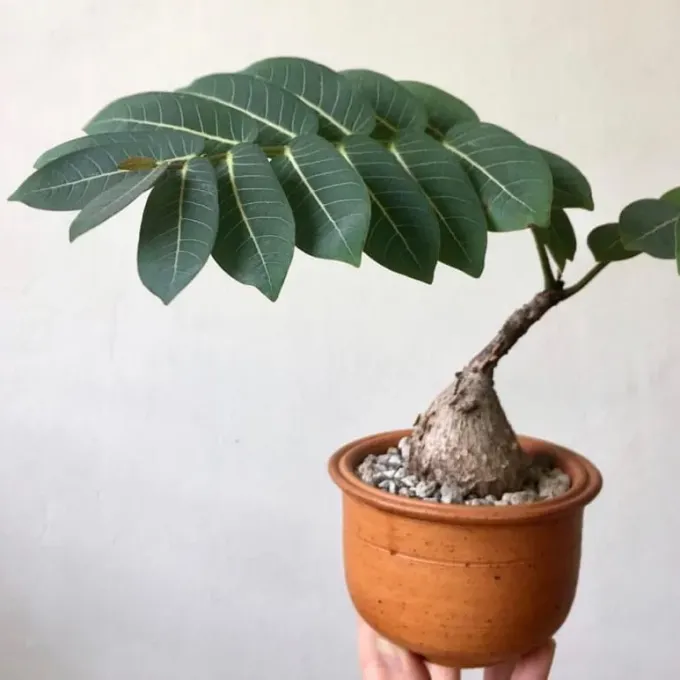
Description
Growing requirements
Phyllanthus magnificens is a distinct species belonging to the Phyllanthaceae family, known for its significant potential in the herbal and pharmacological industry. Originally native to the humid tropical ecosystems of South America, this plant is characterized by its evergreen growth habit and complex chemical profile.
Successful commercial cultivation requires strict adherence to tropical climate parameters. The plant thrives in environments where temperatures remain consistently between 22 and 29 degrees Celsius. Frost is entirely intolerable, making the species unsuitable for temperate climates without strictly controlled greenhouse conditions.
The selection of the growing site is critical, as Phyllanthus magnificens requires well-drained, nutrient-rich soils with a slightly acidic profile, ideally between 5.5 and 6.5 pH. Soil structure must facilitate rapid water drainage, as saturated conditions are a leading cause of root degradation and crop failure.
Agronomic practices focus on intensive hydration and balanced nutritional management. Regular application of NPK fertilizers, supplemented with micronutrients, is essential to maximize the yield of leaf biomass. Pruning practices are also employed to encourage lateral growth and ensure efficient harvesting of the botanical material.
Economically, this crop is highly valued for its concentration of secondary metabolites, including tannins and flavonoids. These compounds serve as raw materials for the global pharmaceutical sector, specifically for the production of liver-protective and antioxidant-rich health supplements and skin care formulations.
Main diseases and pests
The primary threats to Phyllanthus magnificens cultivation include fungal pathogens that thrive in high-humidity environments, specifically root rot and foliar blight. Effective disease mitigation strategies rely heavily on maintaining adequate spacing and ensuring constant ventilation in the cultivation area.
Regarding pest management, spider mites and scale insects represent the most significant threat. These pests often congregate on the underside of leaves, causing chlorosis and significant yield reduction. An integrated pest management (IPM) approach, including early detection and targeted biological or chemical treatments, is essential for maintaining plant health.