
Phyllanthus leucanthus
Phyllanthus leucanthus
Description
Growing requirements
Phyllanthus leucanthus is a representative of the Phyllanthaceae family, known for its unique botanical profile and therapeutic potential. Native to the tropical regions of Southeast Asia, this species thrives in humid forest habitats where it benefits from a consistent climate and nutrient-rich organic soils.
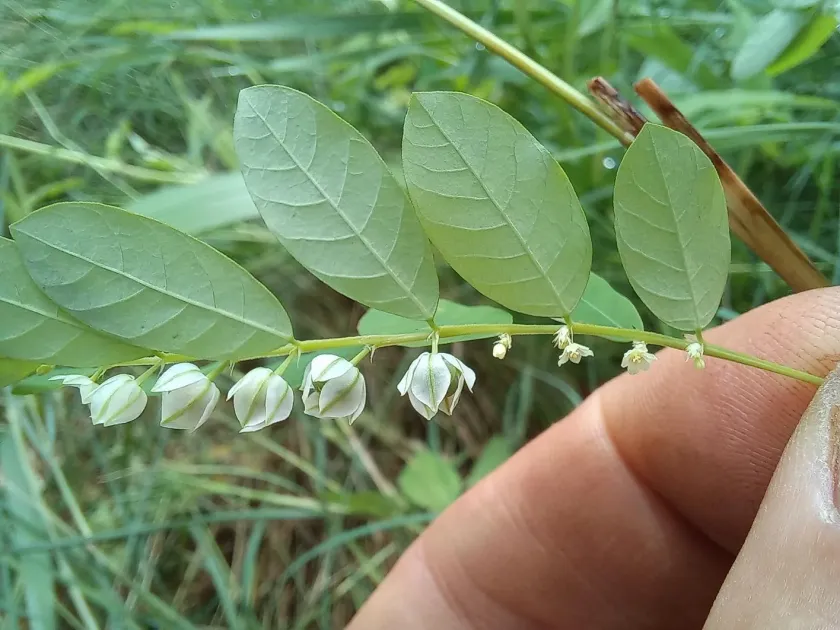
Botanically, the plant is characterized by its slender, often woody stems and small, elliptical leaves arranged in a pinnate-like formation. The white flowers, from which the species name is derived, are typically inconspicuous and clustered along the branches, reflecting the genus's characteristic reproductive strategy.
Successful cultivation of this species requires well-drained, fertile soil with a slightly acidic to neutral pH level. Proper site selection must emphasize aeration, as the plant's root system is susceptible to decay in waterlogged conditions, requiring careful moisture management throughout the growing cycle.
Environmental requirements include a stable temperature range between 22°C and 30°C. Since it is a tropical plant, it does not tolerate frost or cold drafts, making controlled greenhouse environments the most effective choice for large-scale production outside of its native geographic range.
In terms of agricultural and industrial use, Phyllanthus leucanthus is primarily cultivated as a high-value source of bioactive compounds. These extracts are increasingly utilized by the pharmaceutical industry for their hepatoprotective properties and their potential role in supporting human health.
Main diseases and pests
The primary threats to crop health include fungal infections such as root rot and leaf spot, typically induced by poor ventilation or excess irrigation. Implementing a strict irrigation schedule and ensuring adequate spacing between individual plants are essential steps in mitigating these common diseases.
Pest management focuses on controlling aphids and spider mites, which can proliferate rapidly in warm, sheltered environments. Regular scouting and the application of integrated pest management strategies are necessary to maintain plant vigor and ensure high-quality yield for medicinal extraction.