
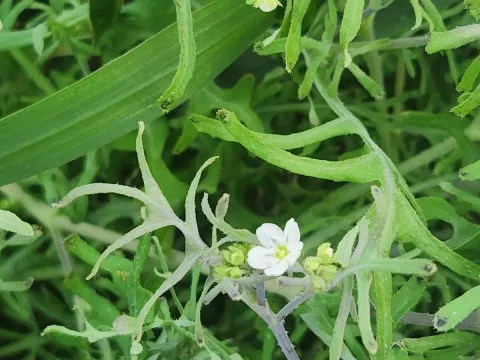
Pholistoma
Pholistoma
The genus Pholistoma consists of annual herbaceous plants belonging to the Boraginaceae family. In their native environment, these plants germinate during the autumn and winter months when moisture levels are sufficient for the seeds to break dormancy.
What the section contains

Pholistoma
For cultivation purposes, direct sowing in late autumn is considered the most effective method. Seeds require a period of natural cooling and moist conditions to ensure uniform germination once spring temperatures rise.
When preparing the seedbed, it is essential to ensure the soil is loose and friable. Because the seeds are relatively small, they should be covered with only a very thin layer of soil to allow sufficient light to reach them during the initial stage of sprouting.
If spring sowing is necessary, seeds should undergo stratification in a refrigerator for several weeks to mimic natural winter conditions. This practice significantly improves germination rates and plant vigor.
Spacing is a critical factor for Pholistoma, as the plants tend to develop wide, sprawling stems. Proper distance between rows and plants helps prevent overcrowding, which is a major contributor to poor airflow and disease outbreaks.
Pholistoma thrives in partial shade or filtered light environments. In nature, these plants often inhabit understory areas where they are shielded from the intense direct sunlight of the afternoon.
The ideal soil for this genus is well-draining and rich in organic matter. Loamy or sandy soil textures are preferred, as they prevent the water stagnation that can quickly lead to root rot in these delicate annuals.
Temperature stability is vital for optimal growth. These plants prefer cool to moderate climates and are sensitive to extreme heat, which often triggers premature flowering and senescence of the vegetative parts.
Water management requires a delicate balance. The soil should remain consistently moist during the active growth period, but irrigation should be reduced as the plant approaches its reproductive stage to avoid excessive humidity.
The plants are generally adapted to neutral soil pH levels. Highly acidic or overly alkaline conditions can cause nutrient deficiencies, manifesting as chlorosis on the leaves, which hinders the plant's ability to photosynthesize effectively.
The primary threats to Pholistoma are soil-borne pathogens such as Phytophthora and Pythium. These fungi proliferate rapidly in waterlogged soils, attacking the root system and causing the plant to wilt rapidly.
Aphids are the most common insect pests, particularly during the flowering stage. These pests congregate on the succulent tips of stems, extracting sap and weakening the plant's structural integrity.
Slugs and snails are major hazards, especially for young seedlings. Because Pholistoma foliage is tender, it is highly susceptible to severe grazing damage by mollusks, which can be detrimental to stand establishment.
Powdery mildew can occur during periods of high humidity combined with stagnant air. Maintaining good cultural practices, such as providing adequate space between plants, is the most effective preventative measure against this fungal disease.
Viral infections may occur, typically transmitted by sap-sucking insects. Affected plants often show signs of leaf mosaic or curling and should be removed from the field or garden to prevent the spread of the virus to healthy specimens.