
Pholistoma auritum
Pholistoma auritum (Lindl.) Lilja
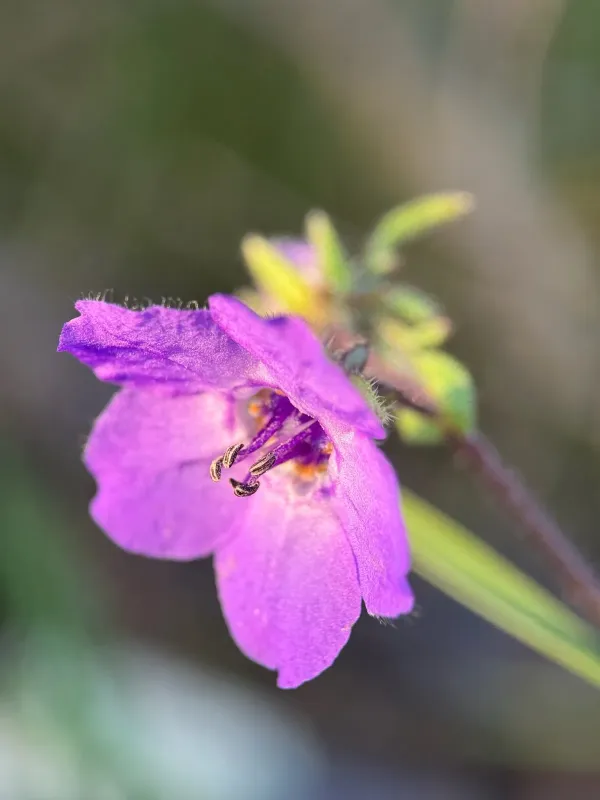
Description
Sowing dates
Pholistoma auritum, commonly known as the fiesta flower, is an annual herbaceous plant belonging to the Boraginaceae family. It is known for its rapid growth cycle and adaptation to seasonal rainfall patterns in its native habitats.
For successful cultivation, seeds should be sown in locations where the soil warms up during the early spring or late autumn months. This timing mimics the natural germination cycle, ensuring the plant establishes itself before the heat of summer arrives.
Seeds require a shallow sowing depth, typically around 0.5 to 1 cm, to ensure proper light exposure and optimal contact with the soil. The substrate must be well-prepared and loose to facilitate the emergence of delicate seedlings.
Maintaining adequate moisture levels during the first two to three weeks of growth is critical. Once the plants develop their characteristic basal rosettes, they gain resilience to dry conditions, though consistent moisture still yields better growth.
Row planting is recommended for managed fields to allow for easier weeding and better air circulation. Proper spacing prevents competition and allows each plant to reach its full vegetative potential.
Growing requirements
Pholistoma auritum thrives in well-lit environments, preferring full sun exposure for the best blooming performance. While it can tolerate partial shade, productivity significantly decreases in environments with low light levels.
The ideal soil for this species is well-drained, sandy loam or loose organic soil. It does not tolerate waterlogged conditions, as moisture-heavy soil often leads to root issues and poor development of the root system.
Climatic requirements involve moderate temperatures, consistent with its native Mediterranean-type climates. It prefers cool, wet spring weather and can become dormant or die back as temperatures rise during the summer months.
Management practices should include regular cultivation between rows to maintain soil structure and aeration. Keeping the area free from aggressive weeds is essential, as the plant can be sensitive to competition during its early growth stages.
Nutrient requirements are relatively low, but the application of balanced, phosphorus-rich fertilizers can encourage more vigorous flowering. Excessive nitrogen should be avoided to prevent rank, weak vegetative growth.
Main diseases and pests
Snails and slugs are the most significant pests for young Pholistoma plants, as they find the tender foliage highly attractive. Effective control includes barrier methods or organic slug pellets placed early in the season.
Powdery mildew is the primary disease threat, occurring mainly when humidity is high and air circulation is poor. Proper spacing and avoiding overhead irrigation can significantly reduce the incidence of fungal issues.
Root rot occurs if the plant is grown in heavy or poorly drained soils. Choosing a site with excellent drainage is the most effective preventative measure against this pathogen and ensures long-term plant health.
Aphids might occasionally colonize the flowers but rarely cause enough damage to warrant chemical intervention. Monitoring populations is sufficient, as natural predators are usually present to keep aphid numbers in check.
Rodents may target ripening seeds; therefore, field monitoring is advised if the plant is being grown specifically for seed production. Secure storage of harvested material is essential to prevent damage by insects or small mammals.
Harvesting
Pholistoma auritum is highly valued as a honey plant, providing a vital nectar source for bees early in the season. When used as a green manure, the crop should be mowed at peak flowering, before seeds mature, to maximize nitrogen incorporation.
Seed harvesting should be timed carefully, as the seed capsules are prone to shattering when fully dry. Harvesting in the early morning hours, while moisture levels are slightly higher, can significantly reduce post-harvest losses.
Once harvested, the plant material must be dried in a well-ventilated, shaded area to prevent mold growth. Proper drying is key to maintaining the viability of the seeds for future planting cycles.
For ornamental purposes, flowers can be cut for arrangements, though care should be taken with the stems due to their delicate nature. The plant adds a unique aesthetic value to gardens and wildflower meadows.
Sustainability in production is enhanced by allowing some plants to self-seed on the plot. This natural regeneration process reduces the need for manual replanting and maintains the soil ecosystem effectively.