
Thief palm
Phoenicophorium borsigianum
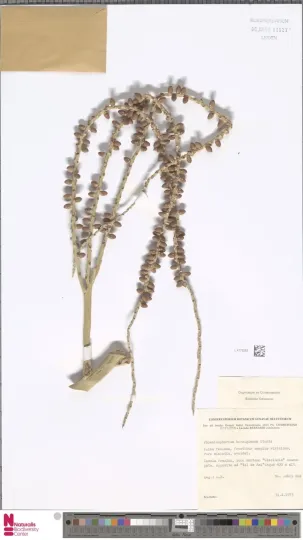
Description
Growing requirements
The Thief palm (Phoenicophorium borsigianum) is a unique, monotypic genus belonging to the Arecaceae family. It is a tropical plant endemic to the Seychelles, thriving in dense, humid forests under canopy shade.
Environmental requirements for this palm are stringent: it requires high humidity levels consistently above 60-70% and ambient temperatures ranging between 22 and 28 degrees Celsius. The species does not tolerate cold drafts or temperatures below 15 degrees.
The soil substrate must be rich in organic matter, slightly acidic, and provide excellent drainage to prevent root rot. Cultivators often use a mix of peat, perlite, and coarse sand to ensure the soil remains moist but not waterlogged.
Botanically, this palm is distinct for its large, undivided leaves when young, which develop a leathery texture as the plant matures. The stem is notable for the presence of sharp spines in its early growth stages, providing protection in the wild.
This species is primarily cultivated in botanical collections and high-end interior landscaping. Its slow growth rate and sensitivity to environmental stressors make it an exclusive plant suitable for managed conservatory environments.
Main diseases and pests
Fungal pathogens are a major threat to Phoenicophorium borsigianum, often exacerbated by poor air circulation. Symptoms include leaf spot diseases and collar rot, which can prove fatal if not identified early.
Scale insects and mealybugs are the most persistent pests encountered in indoor or greenhouse settings. They colonize the undersides of leaves, draining sap and hindering the development of new foliage.
Spider mites represent a significant risk, especially during dry seasons or in heated rooms. These microscopic pests thrive in low-humidity environments and can cause severe damage to the leaf cuticle, leading to bronzing and loss of color.
Root system issues, primarily caused by waterlogged soil, lead to the proliferation of Pythium or Phytophthora. These soil-borne pathogens cause the decay of the root structure, which is difficult to reverse once symptoms appear on the foliage.
Management of these threats requires rigorous sanitation, including cleaning leaves to remove dust and pests, maintaining proper ventilation, and applying systemic fungicides or horticultural oils when early infestation signs are detected.