
Phoenicaulis cheiranthoides
Phoenicaulis cheiranthoides
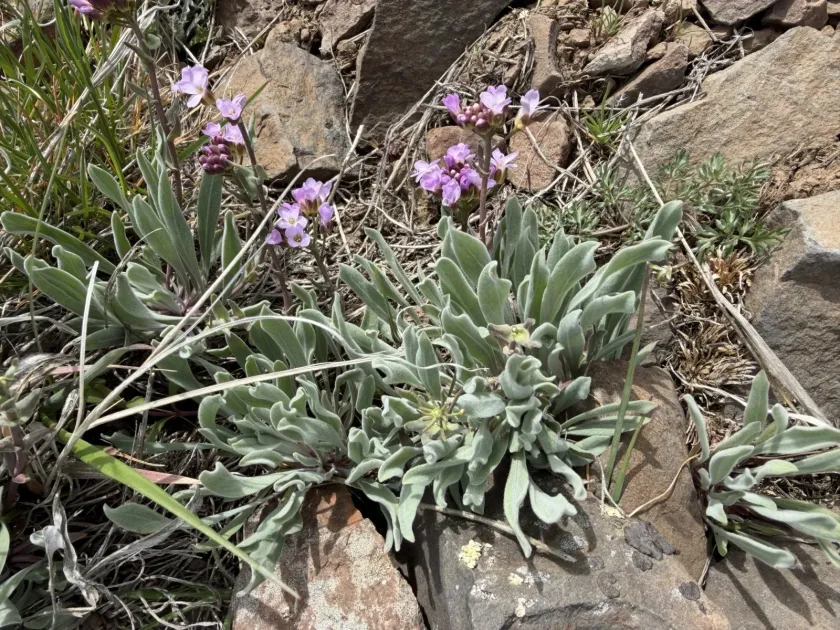
Description
Sowing dates
Phoenicaulis cheiranthoides, commonly known as wallflower-leaf or daggerpod, is a perennial plant within the Brassicaceae family. Its biological structure allows it to thrive in harsh environments, making it a subject of interest for sustainable agriculture.
Sowing should occur during the cooler months to mimic the plant's natural life cycle in its native North American habitat. Seeds require a period of cold exposure to germinate effectively, ensuring high seedling vigor.
When sowing in field conditions, ensure that seeds are covered with a thin layer of grit or soil to provide support while allowing sufficient light for initial growth. Uniform spacing is essential to prevent crowding.
The establishment phase requires careful monitoring of soil moisture. While mature plants are drought-tolerant, young seedlings need consistent moisture to develop their primary taproot system effectively.
Once established, the plant forms a basal rosette, which provides the foundation for its subsequent growth and reproductive stages. Proper early management significantly increases the resilience of the crop.
Growing requirements
The plant is naturally adapted to the arid and semi-arid conditions of the Intermountain West region. It demands full sun exposure and performs poorly in shaded or damp locations.
Soil requirements are strict: the substrate must be well-drained and alkaline. Rocky or sandy loam soils are ideal, as they mimic the natural drainage found in the plant's native hilly terrain.
Temperature tolerance is one of the plant's key features, as it easily survives extreme diurnal fluctuations and cold winters. It does not require artificial irrigation if planted in an appropriate climate zone.
Nutrient requirements are modest compared to traditional leafy greens. Excessive nitrogen application can lead to weak tissue growth, making the plant more susceptible to environmental stress and pests.
Practicing minimal soil disturbance is recommended to maintain the integrity of the soil structure and support the plant's long-term health and stability in the field.
Yield
In the context of agricultural utilization, this crop is often studied for its potential as a specialized forage or a native seed source for ecological restoration projects.
Seed production is the primary harvest objective. The plant produces a significant amount of viable seed, which can be harvested after the pods have dried on the stalk but before they shatter.
Yield stability is dependent on the pollination success in the early spring, as the plant relies on native insect populations for fertilization. Maintaining healthy insect habitats near the crop is crucial.
The biomass production of Phoenicaulis cheiranthoides is relatively low due to its compact growth habit; therefore, it is rarely grown for bulk harvest.
Efficiency in harvesting is increased by using precision equipment that minimizes pod shattering, ensuring that the maximum percentage of seeds is collected during the peak ripeness stage.
Main diseases and pests
Crucifer pests represent the main threat to Phoenicaulis cheiranthoides populations. Flea beetles can cause significant damage to young leaves, potentially compromising the crop during its early development.
Fungal pathogens associated with high moisture, such as root rot or downy mildew, occur if drainage systems fail. Preventing waterlogged conditions is the best defense against these diseases.
Aphid infestations may occur in specific microclimates, leading to stunted growth or the transmission of plant viruses. Early detection and targeted treatment are necessary to contain potential outbreaks.
Competition from aggressive invasive weeds can pose a threat, as this plant grows slowly in its initial years. Regular mechanical weeding is necessary to ensure the crop has adequate access to resources.
Soil-borne nematodes can occasionally affect the root system, particularly in soils where other cruciferous crops have been previously grown without sufficient rotation periods.