
Phlomis italica
Phlomis italica
Description
Sowing dates
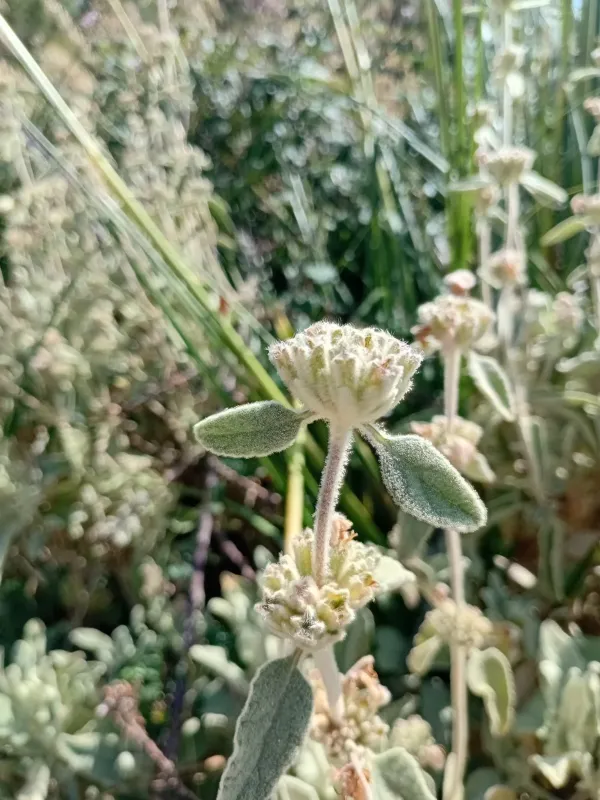
Phlomis italica is a semi-shrub belonging to the Lamiaceae family. Propagation is primarily carried out through seeds, which require stratification to break dormancy and ensure uniform germination in the early spring.
For greenhouse cultivation, seeds are sown in trays filled with a light, well-draining substrate. They should be only lightly covered with soil, as light is a critical factor for the successful germination of this specific Mediterranean species.
When sowing outdoors, it is essential to prepare a site with a southern exposure. The soil temperature should remain stable to encourage healthy root growth before the heat of summer arrives, usually starting in late April.
Vegetative propagation via cuttings is a common technique used to maintain specific plant characteristics. Semi-hardwood cuttings taken in late summer tend to root effectively in a mixture of sand and peat moss under controlled conditions.
Division of established clumps is another viable method for increasing stock. This process is best performed during the dormant season or early spring to minimize transplant shock and encourage rapid establishment in the new location.
Growing requirements
This species thrives in full sun, requiring at least six to eight hours of direct sunlight daily to produce its characteristic foliage and blooms. Shade tolerance is very low, making open spaces necessary for success.
The soil requirements for Phlomis italica are specific: it demands excellent drainage and low fertility levels. It is highly intolerant of wet, heavy soils, which can lead to quick decline and crown rot in a short period.
As a Mediterranean native, it exhibits remarkable drought tolerance once established. Minimal irrigation is required, and the plants should be allowed to dry out significantly between watering intervals during the peak summer months.
Regarding climate, the plant is moderately cold-hardy but prefers regions without severe frost or prolonged damp winters. In areas with high winter precipitation, providing a raised bed is an effective agricultural solution.
Fertilization should be kept to a minimum to prevent succulent growth that can be susceptible to damage. A balanced, slow-release fertilizer applied once in early spring is usually sufficient to support overall vigor and health.
Main diseases and pests
Fungal diseases, specifically powdery mildew, are the most frequent health issues encountered during wet or humid weather. Good air circulation is the primary defense strategy to prevent the development of these infections.
Root rot is the most destructive threat for Phlomis italica. This condition occurs primarily due to improper soil structure or poor drainage management, which prevents oxygen from reaching the plant roots.
Pests such as aphids and spider mites can occasionally affect the growth of young plants. These pests are usually managed through regular monitoring and the use of insecticidal soaps or neem oil in severe cases.
Environmental stress factors, such as sudden drops in temperature combined with high humidity, can lead to foliage browning. Maintaining a healthy balance in soil moisture is crucial to avoid these physiological issues.
Preventative care includes the removal of dead or decaying organic matter from around the base of the plant. This simple housekeeping measure reduces the habitat for potential pathogens and ensures the plant remains disease-free.