
Phlebodium-Pyrrosia Hybrid Fern
Phlebodium aureum (L.) J. Sm. x Pyrrosia lingua (Thunb.) Farw.
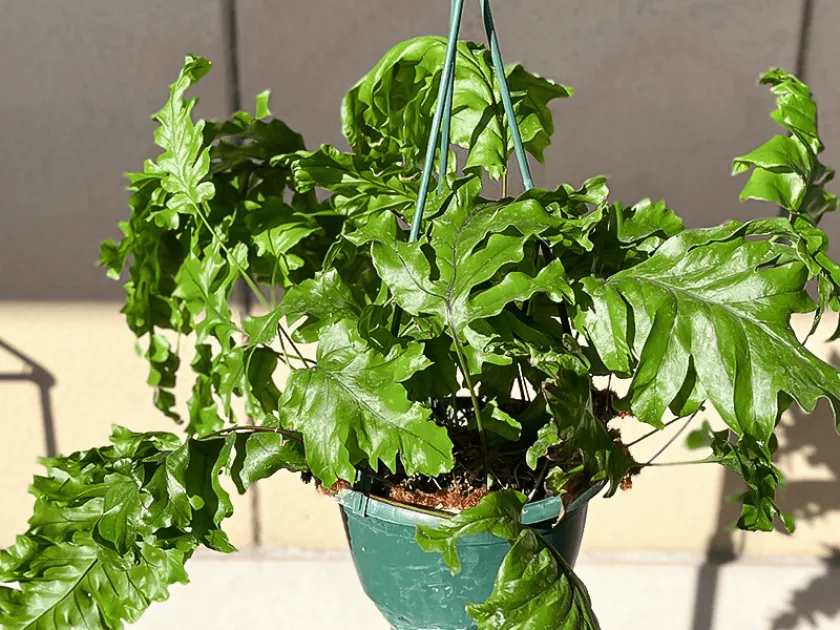
Description
Growing requirements
This hybrid, belonging to the Polypodiaceae family, combines the robust growth of Phlebodium with the xerophytic characteristics of Pyrrosia. It thrives in bright, indirect light, as direct sunlight can scorched the leathery fronds. Maintaining appropriate light intensity is crucial for preserving the plant's unique glaucous coloration and structural integrity.
The ideal temperature range for this fern is between 18°C and 24°C. It is sensitive to thermal shock and cold drafts, which can cause significant physiological stress. Providing a stable environment without rapid fluctuations is essential for long-term health and consistent growth cycles throughout the year.
Soil requirements focus on high aeration and excellent drainage capacity. A potting mix consisting of peat moss, pine bark, perlite, and a small amount of charcoal is highly recommended. This substrate composition prevents compaction and ensures that roots receive adequate oxygen, mimicking the epiphyte's natural habitat.
Watering should be managed based on the moisture level of the upper substrate layer. It is vital to allow partial drying between waterings to prevent root rot. Soft, chlorine-free water is preferred, as these ferns are sensitive to mineral accumulation, which can cause leaf tip burn or stunted development.
Humidity management is vital for the physiological well-being of the plant. Although the Pyrrosia parent provides some drought resistance, the hybrid benefits greatly from consistent humidity levels between 50-60%. Regular misting or the use of humidity trays significantly improves the condition of the fronds.
Main diseases and pests
Scale insects are a primary pest concern for this hybrid, often clustering on the underside of fronds or rhizomes. They weaken the plant by extracting sap, which leads to yellowing and premature leaf senescence. Control measures include manual removal and the application of appropriate systemic insecticides.
Root rot is a common issue caused by overwatering or poor drainage. This fungal pathogen leads to the softening of the rhizomes and eventual death of the root system. Proper diagnosis involves examining the roots for discoloration and texture, followed by repotting into fresh, sterile substrate.
Mealybugs are frequently found in the crevices of the rhizomes and frond bases. They flourish in low-humidity environments, making consistent climate control an effective deterrent. For infestations, localized treatment with horticultural soaps or oil-based pesticides is recommended to minimize damage.
Spider mites are opportunistic pests that thrive in dry indoor conditions. They cause characteristic stippling on the leaves and can lead to severe infestations if left unmanaged. Regular inspection and maintaining high atmospheric humidity are the best preventative strategies against these small arthropods.
Physiological disorders, such as nutrient deficiencies, often manifest as chlorosis or stunted growth. Using specialized, low-nitrogen fertilizers intended for epiphytic ferns is necessary for optimal development. Over-fertilization should be strictly avoided to prevent salt accumulation in the root zone.