
Philesia magellanica
Philesia magellanica
Description
Growing requirements
Philesia magellanica is a distinct evergreen shrub belonging to the Philesiaceae family, native to the temperate rainforests of Chile and Argentina. This species requires a sheltered location with partial shade to thrive, as direct sunlight can easily scorch its foliage.
The ideal growing medium must be acidic, well-draining, and rich in organic matter. A peat-based or specialized ericaceous mix is highly recommended to replicate the natural forest floor conditions where this plant typically grows.
In terms of climate, it prefers cool, humid environments with protection from hard frosts during the winter months. Consistent soil moisture is crucial, and the plant performs best when humidity levels remain high throughout the year.
Cultivation practices involve minimal pruning, mostly focused on removing dead wood to maintain shape. Because the plant is relatively slow-growing, patience is required during the initial stages of establishment in a new location.
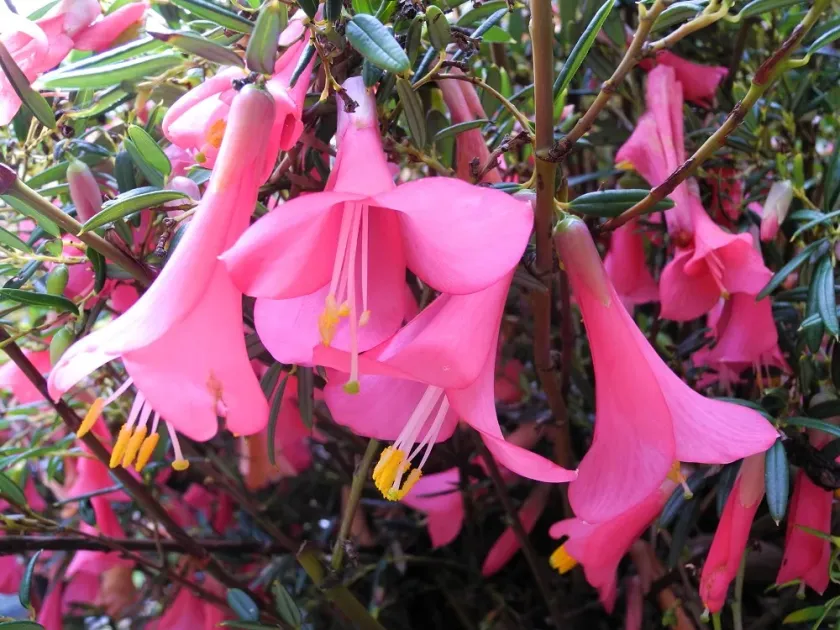
The botanical characteristics include wiry stems and showy, waxy, bell-shaped flowers that appear in red or deep pink tones. These flowers make it a desirable subject for specialized garden collections rather than broad-scale agricultural usage.
Main diseases and pests
Root rot remains the most significant threat to Philesia magellanica, usually caused by stagnant water in the root zone. Ensuring that the soil does not become waterlogged is the primary defense against this fatal condition.
Pests such as spider mites are prevalent in indoor or greenhouse settings where air humidity is insufficient. These mites damage leaves, causing discolouration and overall decline if not addressed promptly with suitable control measures.
Scale insects and aphids can also infest the stems and undersides of leaves, especially during the spring growth flush. Gentle washing or using appropriate horticultural soaps is usually more effective than using harsh chemical insecticides.
Proper hygiene, such as sterilizing pruning tools and maintaining good air circulation, significantly helps in preventing fungal pathogen buildup. Avoid overhead watering to reduce the risk of leaf spot diseases.
Monitoring the plant regularly for early signs of infestation is essential. By maintaining a stable, cool, and moist environment, the plant's natural resilience against environmental stressors is greatly improved.