
Phelypaea tournefortii
Phelypaea tournefortii
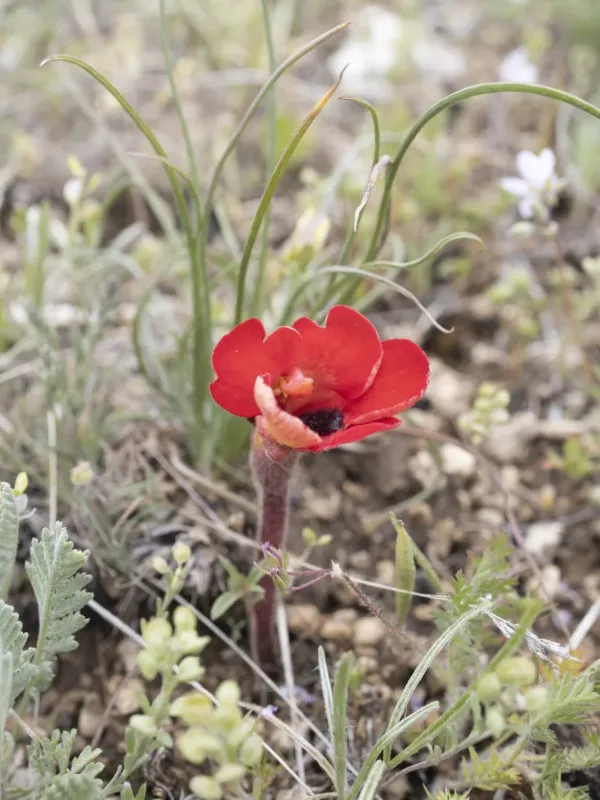
Description
Growing requirements
Phelypaea tournefortii is a specialized parasitic plant species belonging to the Orobanchaceae family. Unlike conventional crops, it lacks chlorophyll and cannot perform photosynthesis, making it entirely dependent on its host plants for survival.
The native distribution of this species is primarily located in the mountainous regions of the Caucasus, Turkey, and parts of the Middle East. It is strictly adapted to high-altitude environments where specific host plants, typically members of the Asteraceae family, are available.
Botanically, the plant is characterized by its distinct, often brightly colored, tubular flowers that emerge from the soil near the host's root system. The majority of its biomass exists underground in the form of specialized tissues that connect to the host.
Climatic requirements are rigorous, as the species relies on the stable, cold, and high-light conditions typical of subalpine meadows. Any significant shift in local temperature or moisture regimes can negatively impact the host-parasite relationship.
Soil conditions play a critical role in the germination and development of Phelypaea tournefortii. It thrives in well-aerated, rocky, or calcareous soils that ensure the health of the host's root system, which serves as the primary source of nutrition and water for the parasite.