
Phaulothamnus spinescens
Phaulothamnus spinescens
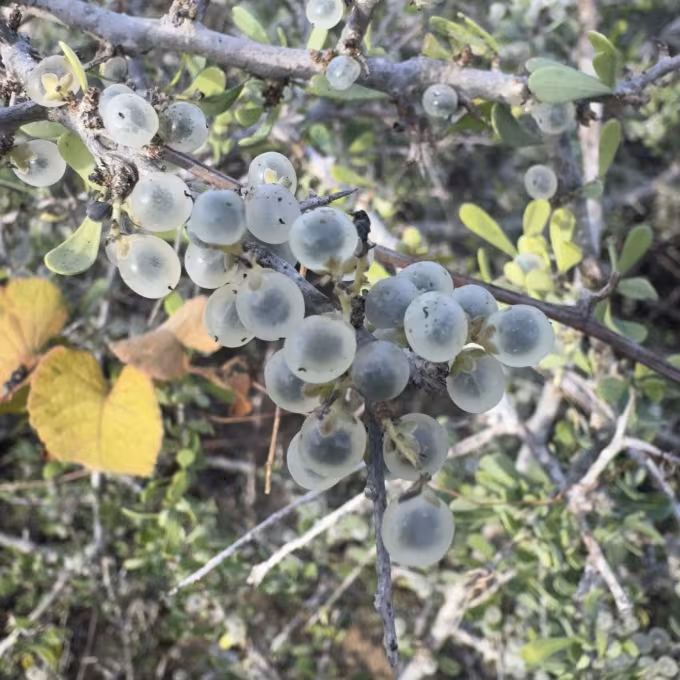
Description
Growing requirements
Phaulothamnus spinescens is a distinct shrub species belonging to the family Achatocarpaceae. It is characterized by its spinescent, branched morphology, which serves as a highly efficient adaptation for survival in the arid climates of North America, particularly in Mexico and parts of the United States.
This plant species naturally occurs in dry, rocky terrain. Its ability to tolerate low nutrient levels and limited water availability makes it an interesting subject for studies on xerophytic vegetation and environmental resilience in degraded ecosystems.
Botanically, the plant is known for its thorny twigs and small leaves that reduce water loss. The flowers are typically inconspicuous, leading to the development of small fruits that are consumed by local wildlife, facilitating seed dispersal in harsh environments.
Cultivation requirements for this species focus heavily on soil drainage. It demands substrates that mimic its natural rocky environment. Any accumulation of moisture around the base of the stem or in the root zone must be strictly avoided to prevent physiological decline.
The potential for utilizing Phaulothamnus spinescens in commercial settings is centered on soil reclamation projects and ecological restoration. Its high tolerance to drought makes it a candidate for sustainable landscaping in regions facing increasing water scarcity.
Main diseases and pests
The primary threats to Phaulothamnus spinescens involve pathogenic fungi, specifically those responsible for root rot diseases. These infections are almost always associated with improper irrigation practices that lead to waterlogging of the root zone.
Insect pests such as spider mites can impact the vitality of the plant, especially when it is subjected to non-optimal environmental stress. Maintaining proper air circulation and monitoring for early signs of infestation are essential for successful plant management.