
Short-spike canary grass
Phalaris brachystachys
Description
Growing requirements
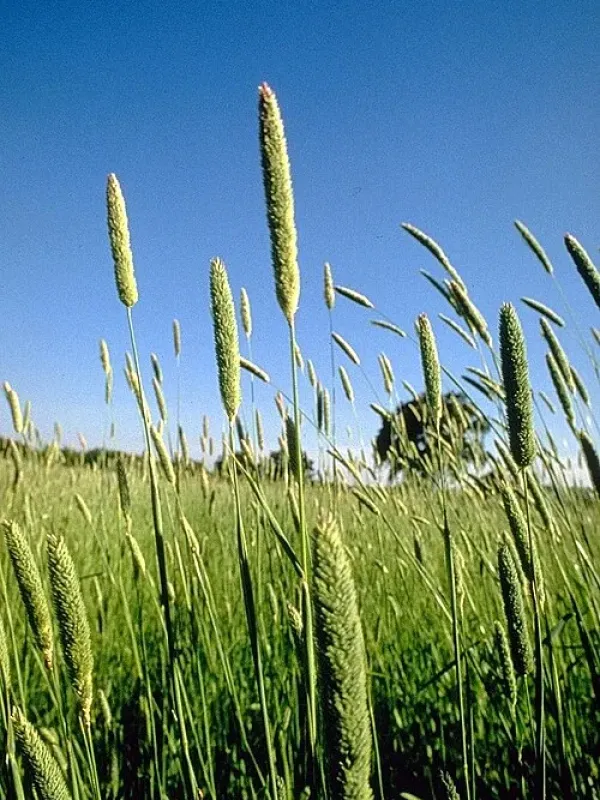
Short-spike canary grass (Phalaris brachystachys) is an annual grass species belonging to the Poaceae family. It is distinct from other members of the Phalaris genus due to its specific spikelet architecture and compact inflorescence structure.
Native to the Mediterranean region, this crop is naturally adapted to climates with mild, wet springs and dry summers. Its natural distribution spans across parts of Southern Europe and the Middle East, where it often thrives in open grasslands and fallow fields.
The plant requires well-drained, fertile soils with a neutral or slightly alkaline pH to reach its full potential. It is highly intolerant of waterlogged conditions, which can lead to root system degradation and poor stand establishment.
As a sun-loving plant, it thrives in environments with high light intensity. Adequate exposure to sunlight is essential for tiller development and the production of high-quality seeds or biomass.
Agronomic management involves precise seedbed preparation to ensure uniform germination. Nitrogen application is usually critical in the early stages of growth to support the rapid development of the vegetative canopy before the reproductive phase begins.
Main diseases and pests
Common fungal diseases, such as leaf rust and powdery mildew, represent the primary threat to healthy yields. These pathogens thrive under conditions of high canopy density and stagnant air flow.
Insect pests include cereal aphids and various grass-feeding beetles. These pests can reduce the photosynthetic capacity of the plants by damaging leaves or extracting sap from the stems.
Integrated pest management strategies are recommended, starting with the use of certified, disease-free seed. Seed treatments play a vital role in preventing early-season fungal infections and seedling blight.
Monitoring for insect populations should be conducted weekly, especially during the boot and heading stages. Chemical control should be implemented selectively to preserve beneficial predator populations in the field.
Crop rotation remains the most effective long-term strategy for managing soil-borne diseases. Avoiding consecutive planting of the same species in the same field helps break the cycle of specialized pests and pathogens.